


How a factory in the small German town of Lahr became GROHE's global center for shower solutions, and why the few minutes you spend under the shower today are the result of engineering thought rather than coincidence

There are industries in which innovation is loud and instantly visible – cars, electronics, digital technology. And there are others in which it remains entirely hidden, felt only as comfort, reliability and ease in everyday life. The bathroom is precisely such a case. Few people stop to consider that behind a warm, evenly distributed spray lie thermodynamics, precision mechanics, nozzle geometry, resource management and a manufacturing discipline measured in seconds. Yet it is exactly there, in the invisible, that one of the more interesting industrial developments of recent decades has been taking place.
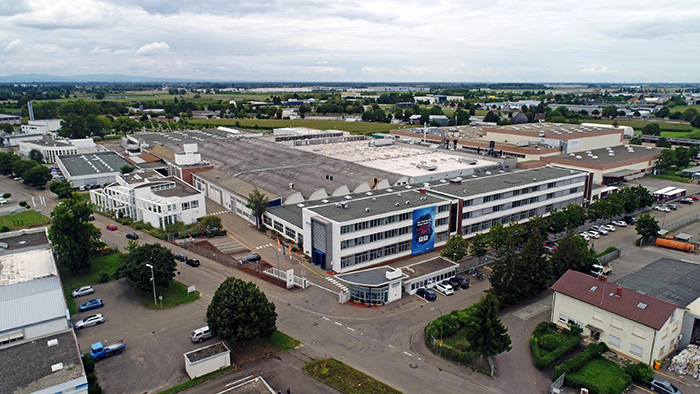
The place where this story has an actual address is Lahr, a town in the south-western corner of Germany, in the heart of the Black Forest, surrounded by vineyards, woodland and the region's old craft traditions. This is home to GROHE's global center for shower solutions, and in 2026 the plant marks 70 years since the moment its history changed irreversibly. It all began far earlier than most people would assume as early as 1873, Carl Nestler's enterprise in Lahr was producing fittings for breweries and distilleries – an entirely logical business for a region with a long tradition in crafts and beverages. Showers were still nowhere on the horizon. The turning point came in the 1950s, when production shifted towards thermostats, and in 1956 Grohe Thermostat GmbH was founded. That same year, GROHE introduced Skalatherm, the first thermostat developed specifically for domestic use. Today this sounds almost unremarkable, but at the time it was a revolution: until then, a constant water temperature had been a luxury known mainly from industrial and public applications. Skalatherm brought it into the private home and, in doing so, changed the very idea of the modern bathroom – from a room for hygiene into a space for comfort.
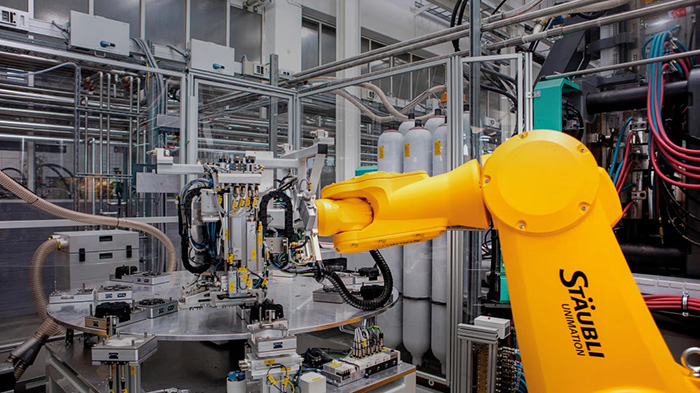
Seven decades later, Lahr is no longer simply a factory but a center of expertise operating at a scale that sits uneasily with the notion of "just an everyday product". More than 6 million hand showers, over 2 million shower rail sets, and more than 700,000 shower systems are produced here every year. A hand shower comes off the production line every four seconds, and daily capacity reaches 10,000 units. The figures matter not in themselves, however, but because they illustrate something considerably harder to achieve than volume – repeatability. Each of those millions of products must perform equally well in an apartment in Sofia, a hotel in Dubai and a family home in Munich, under different water pressures, different water quality and different usage habits. The shift from local industrial craft to global technology platform is telling of how strong manufacturing companies build long-term advantage: not through one-off product successes, but through the accumulation of expertise, standards, and production culture.
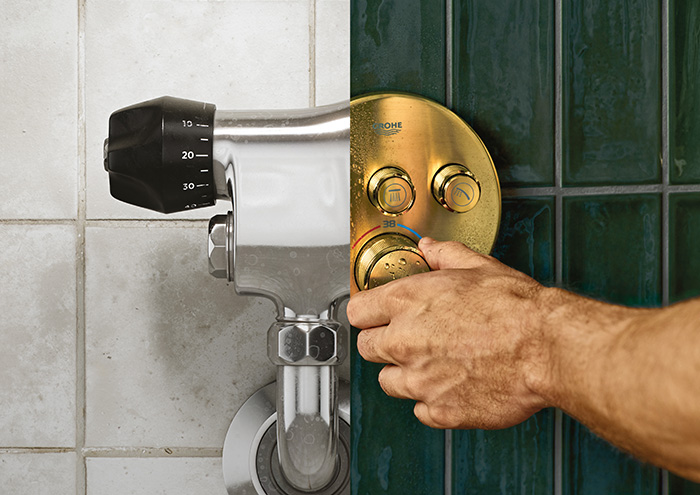
The product logic in Lahr moves in two directions at once, visible, and invisible. The visible one is what the user feels in their hands. SmartControl thermostats allow you to switch between head and hand shower, combine different functions and adjust the water flow to personal preference simply by pushing and turning a button. The GROHE Tempesta 110 hand shower works with SmartSwitch – an intuitive feature giving access to three different spray types at a single touch. The invisible direction, however, is far more interesting from an engineering perspective, because it is there that one of the most delicate questions in the entire category is resolved: how to save water without turning it into a punishment for the user. The easiest approach is simply to restrict the flow rate – and it is also the fastest way to disappoint the person standing under the shower. That is why the teams in Lahr work on the geometry of the nozzles themselves: smaller, more precisely arranged openings and a redesigned spray pattern. GROHE AquaCalibrator technology is aimed at exactly this – preserving the sensation of a full, comfortable spray while simultaneously reducing water and energy consumption. Alongside it comes the FlowControl Button on thermostats, which gives active control over the flow, with the full volume unlocked only through a conscious action by the user. And herein lies perhaps the most contemporary idea in the whole story: good sustainability is unnoticeable. It does not ask people to give something up; it moves the compromise into the engineering drawings rather than into everyday life.
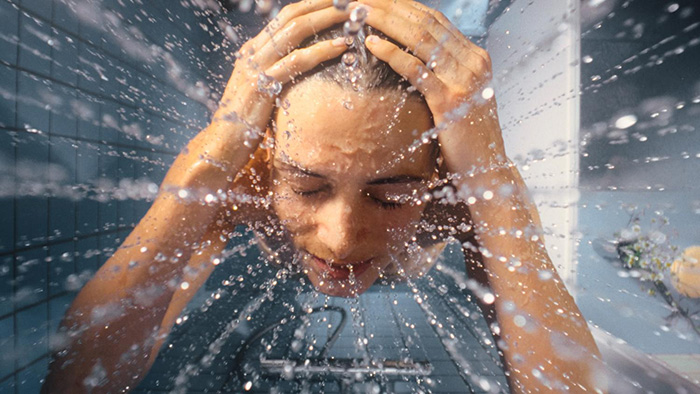
In parallel, the role of the bathroom within the home is changing too. Today's consumer increasingly expects it to form part of the overall aesthetic of the house, rather than being a technical space that simply has to function. This also shifts the demands placed on manufacturers – beyond quality and reliability, freedom of choice is now expected as well. In Lahr, the answer has been investment in in-house PVD chambers for surface finishing. Physical Vapour Deposition technology creates wear-resistant coatings in a range of colours and finishes, both matt and polished, and the business implication is highly specific: personalization ceases to be a boutique exception and becomes an industrial process that can be reproduced at scale. In other words, chrome is no longer the only answer – and that is a test not so much for the designers as for the production model, which must combine flexibility with volume.
Lahr does not operate in isolation. The plant is part of LIXIL's global manufacturing network of 75 factories worldwide, while the GROHE brand is served by five key sites across three countries – Hemmer, Porta Westfalica and Lahr in Germany, Albergaria in Portugal and Klaeng in Thailand. Shared standards and processes make it possible to guarantee the same level of quality regardless of the market, while a high degree of in-house production – over 90 per cent – means better control, faster rollout of new products and easier scaling of innovation. In recent years, as global supply chains have become a strategic issue for entire industries, deep in-house manufacturing capability and diversified locations have proved to be not a cost but a serious advantage in responding to rapidly shifting demand.
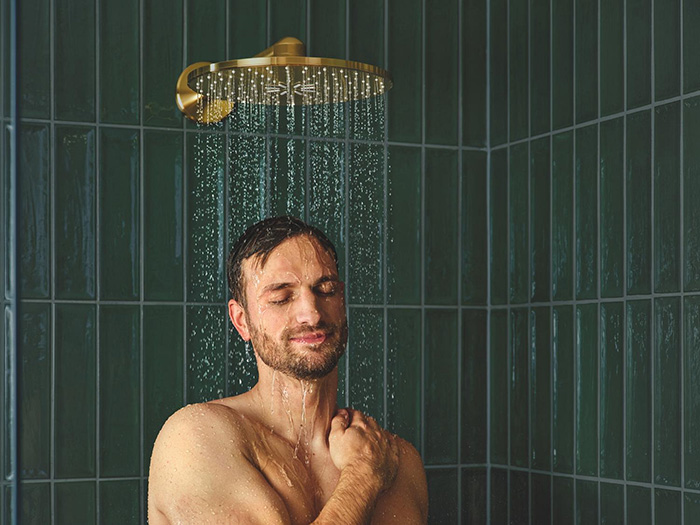
Seen up close, a shower is an ordinary household object. Seen through the lens of industrial development, it tells a far bigger story – about innovation, efficiency, consumer habits, responsibility towards resources and global competition. The 70-year history of the plant in Lahr is exactly that: the journey from a specialized industrial site to a center of technological expertise with global significance. At its foundation lies no single stroke of genius, but something rather harder to achieve – consistency. In quality, in design, in engineering thinking, and in the ability to anticipate what people will want a decade from now. And for the user, the outcome remains simple and entirely tangible: a few minutes under the shower in which comfort, control and the responsible use of water all coexist. That is precisely where the strength of good industrial innovation lies – it does not merely change the product; it improves the everyday.
Шумът на водата в Шварцвалд: 70 години, в които душът стана технология
Как една фабрика в малкия германски град Лар се превърна в глобален център за душ решения на GROHE и защо няколкото минути под душа днес са резултат от инженерна мисъл, а не от случайност
Има индустрии, в които иновацията е шумна и веднага видима – автомобилите, електрониката, дигиталните технологии. И има други, в които тя остава напълно скрита и се усеща единствено като комфорт, надеждност и лекота в ежедневието. Банята е точно такъв случай. Малцина се замислят, че зад една топла и равномерна струя стоят термодинамика, прецизна механика, геометрия на дюзи, контрол на ресурсите и производствена дисциплина, измервана в секунди. А именно там, в невидимото, се случва едно от най-интересните индустриални развития на последните десетилетия.
Мястото, където тази история има адрес, е Лар – град в югозападния край на Германия, в сърцето на Шварцвалд, между лозя, гори и старите занаятчийски традиции на региона. Тук се намира глобалният център за душ решения на GROHE, а през 2026 г. производствената база отбелязва 70 години от момента, в който историята ѝ се променя необратимо. Всичко започва много по-рано, отколкото повечето хора предполагат: още през 1873 г. предприятието на Carl Nestler в Лар произвежда фитинги за пивоварни и дестилерии – напълно логичен бизнес за регион с дълга традиция в занаятите и напитките. Душовете все още не са част от хоризонта. Обратът идва през 50-те години на ХХ век, когато производството се насочва към термостати, а през 1956 г. е основана Grohe Thermostat GmbH. Същата година GROHE представя Skalatherm – първия термостат, разработен специално за домашна употреба. Днес това звучи почти незабележимо, но тогава е революция: до този момент постоянната температура на водата е лукс, познат основно от индустриални и обществени приложения. Skalatherm я въвежда в частния дом и с това променя самата идея за модерна баня – от помещение за хигиена към пространство за комфорт.
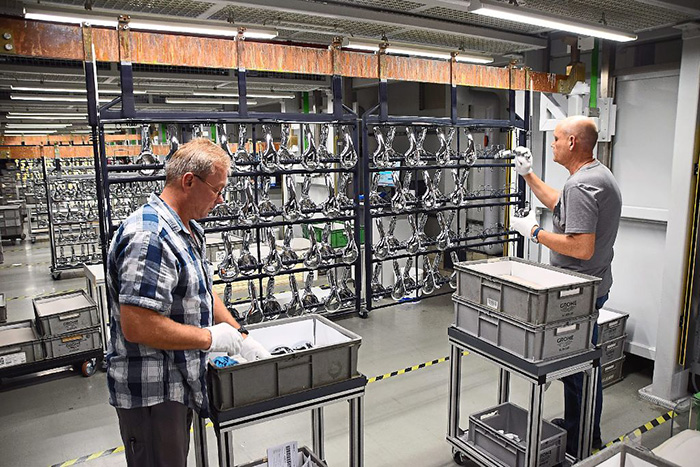
Седем десетилетия по-късно Лар вече не е просто фабрика, а център на експертиза с мащаб, който трудно се вписва в представата за „нещо от бита“. Тук се произвеждат над 6 милиона ръчни душа, повече от 2 милиона душ комплекта с релси и над 700 000 душ системи годишно. Всяка четвърта секунда от производствената линия излиза ръчен душ, а дневният капацитет достига 10 000 броя. Числата обаче са важни не сами по себе си, а защото илюстрират нещо доста по-трудно за постигане от обема – повторяемостта. Всеки от тези милиони продукти трябва да работи еднакво добре в апартамент в София, в хотел в Дубай и в семейна къща в Мюнхен, при различно водно налягане, различна вода и различни навици на употреба. Преходът от локален индустриален занаят към глобална технологична платформа е показателен за начина, по който силните производствени компании изграждат дългосрочно предимство: не чрез еднократни продуктови успехи, а чрез натрупване на експертиза, стандарти и производствена култура.
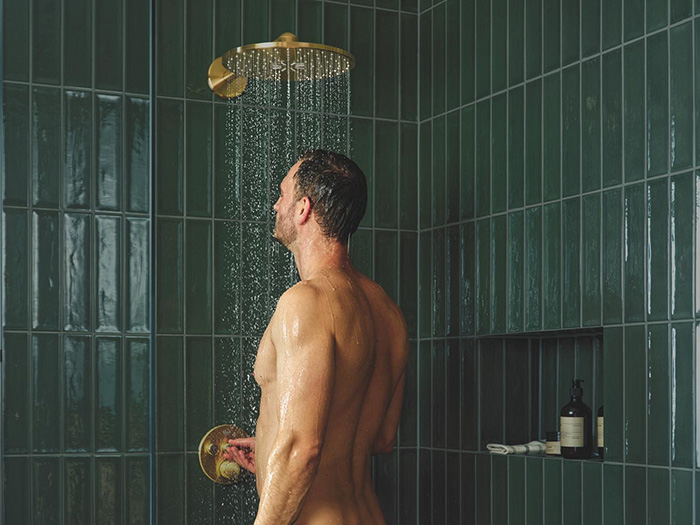
Продуктовата логика в Лар се движи едновременно във видима и в невидима посока. Видимата е тази, която потребителят усеща в ръцете си. Термостатите SmartControl позволяват с натискане и завъртане на бутон да се превключва между горен и ръчен душ, да се комбинират различни функции и да се регулира водният поток според личните предпочитания. Ръчният душ GROHE Tempesta 110 работи със SmartSwitch – интуитивна функция, която дава достъп до три различни типа струя само с докосване. Невидимата посока обаче е далеч по-интересна от инженерна гледна точка, защото там се решава един от най-деликатните въпроси в цялата категория: как да се пести вода, без това да се превърне в наказание за потребителя. Най-лесният начин е да се ограничи дебитът – и същевременно най-бързият начин да се разочарова човекът под душа. Затова екипите в Лар работят върху самата геометрия на дюзите: по-малки, по-прецизно подредени отвори и преработен модел на разпръскване. Технологията GROHE AquaCalibrator цели точно това – да запази усещането за обемна и комфортна струя, като едновременно намалява потреблението на вода и енергия. Към нея се добавя и FlowControl Button при термостатите, който дава активен контрол върху потока, като пълният дебит се отключва само при съзнателно действие на потребителя. В това се крие може би най-съвременната идея в целия разказ: добрата устойчивост е незабележима. Тя не иска от човека да се откаже от нещо, а премества компромиса в инженерните чертежи, вместо в ежедневието.
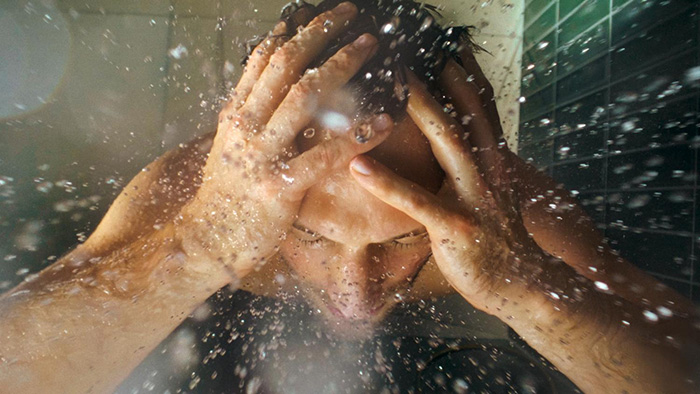
Успоредно с това се променя и самата роля на банята в дома. Съвременният потребител все по-често очаква тя да бъде част от цялостната естетика на жилището, а не техническо помещение, което трябва просто да функционира. Това променя и изискванията към производителите – освен качество и надеждност, вече се търси и свобода на избор. В Лар отговорът е инвестиция в собствени PVD камери за повърхностна обработка. Технологията Physical Vapour Deposition създава устойчиви на износване покрития в различни цветове и финиши, както матирани, така и полирани, а значението за бизнеса е много конкретно: персонализацията престава да бъде бутиково изключение и се превръща в индустриален процес, който може да бъде възпроизведен в мащаб. С други думи, хромът вече не е единственият отговор – и това е тест не толкова за дизайнерите, колкото за производствения модел, който трябва да съчетае гъвкавост с обем.
Лар не работи изолирано. Заводът е част от глобалната производствена мрежа на LIXIL, която включва 75 фабрики по света, а за марката GROHE работят пет ключови обекта в три държави – Хемер, Порта Вестфалика и Лар в Германия, Албергария в Португалия и Клаенг в Тайланд. Общите стандарти и процеси позволяват едно и също ниво на качество независимо от пазара, а степента на вътрешно производство – над 90% – означава по-добър контрол, по-бързо внедряване на нови продукти и по-лесно мащабиране на иновациите. В последните години, след като глобалните вериги за доставки се превърнаха в стратегическа тема за цели индустрии, дълбоката собствена производствена база и диверсифицираните локации се оказаха не разход, а сериозно предимство при динамично променящо се търсене.

Погледнат отблизо, душът е обикновен предмет от бита. Погледнат през призмата на индустриалното развитие, той разказва много по-голяма история – за иновации, ефективност, потребителски навици, отговорност към ресурсите и глобална конкуренция. Седемдесетгодишната история на завода в Лар е точно това: пътят от специализиран индустриален обект до център на технологична експертиза с глобално значение. В основата му няма един гениален пробив, а нещо по-трудно за постигане – постоянство. В качеството, в дизайна, в инженерното мислене и в способността да предвидиш какво ще искат хората след десет години. А за потребителя резултатът остава прост и напълно осезаем: няколко минути под душа, в които комфортът, контролът и отговорното използване на водата съществуват едновременно. Именно там е силата на добрата индустриална иновация – тя не просто променя продукта, а подобрява ежедневието.
-
COMMENTING RULES
Commenting on www.vagabond.bg
Vagabond Media Ltd requires you to submit a valid email to comment on www.vagabond.bg to secure that you are not a bot or a spammer. Learn more on how the company manages your personal information on our Privacy Policy. By filling the comment form you declare that you will not use www.vagabond.bg for the purpose of violating the laws of the Republic of Bulgaria. When commenting on www.vagabond.bg please observe some simple rules. You must avoid sexually explicit language and racist, vulgar, religiously intolerant or obscene comments aiming to insult Vagabond Media Ltd, other companies, countries, nationalities, confessions or authors of postings and/or other comments. Do not post spam. Write in English. Unsolicited commercial messages, obscene postings and personal attacks will be removed without notice. The comments will be moderated and may take some time to appear on www.vagabond.bg.


Add new comment