

A trip through rivers, mountains, cultures and stories
In the summer of 2026, as severe droughts across Europe depleted the Danube, the continent's second largest river, hidden finds began to emerge along its muddy shores. Nazi warships. Second World War British naval bombs. Sunken cargo ships. Woolly mammoth bones. And the foundations of an entire, long-lost ancient Roman bridge.
The bridge is known from historical sources. It was built in 328 AD by Emperor Constantine the Great, and connected the once glorious city of Ulpia Oescus, near today's Gigen village in Bulgaria, with the opposite bank of the river. The bridge was over 2.4 km long and was created to facilitate a possible Roman invasion into Dacia, which in actual fact never materialised.
The foundations of the bridge have now disappeared back into the Danube's waters. However, modern Bulgaria is packed with older and newer bridges that stun with their architecture, daring, stories, locations – or a combination of two or more. Here are some of the most fascinating ones.
Devil's Bridge
Where: Near Ardino, the Rhodope
When: Early 1500s
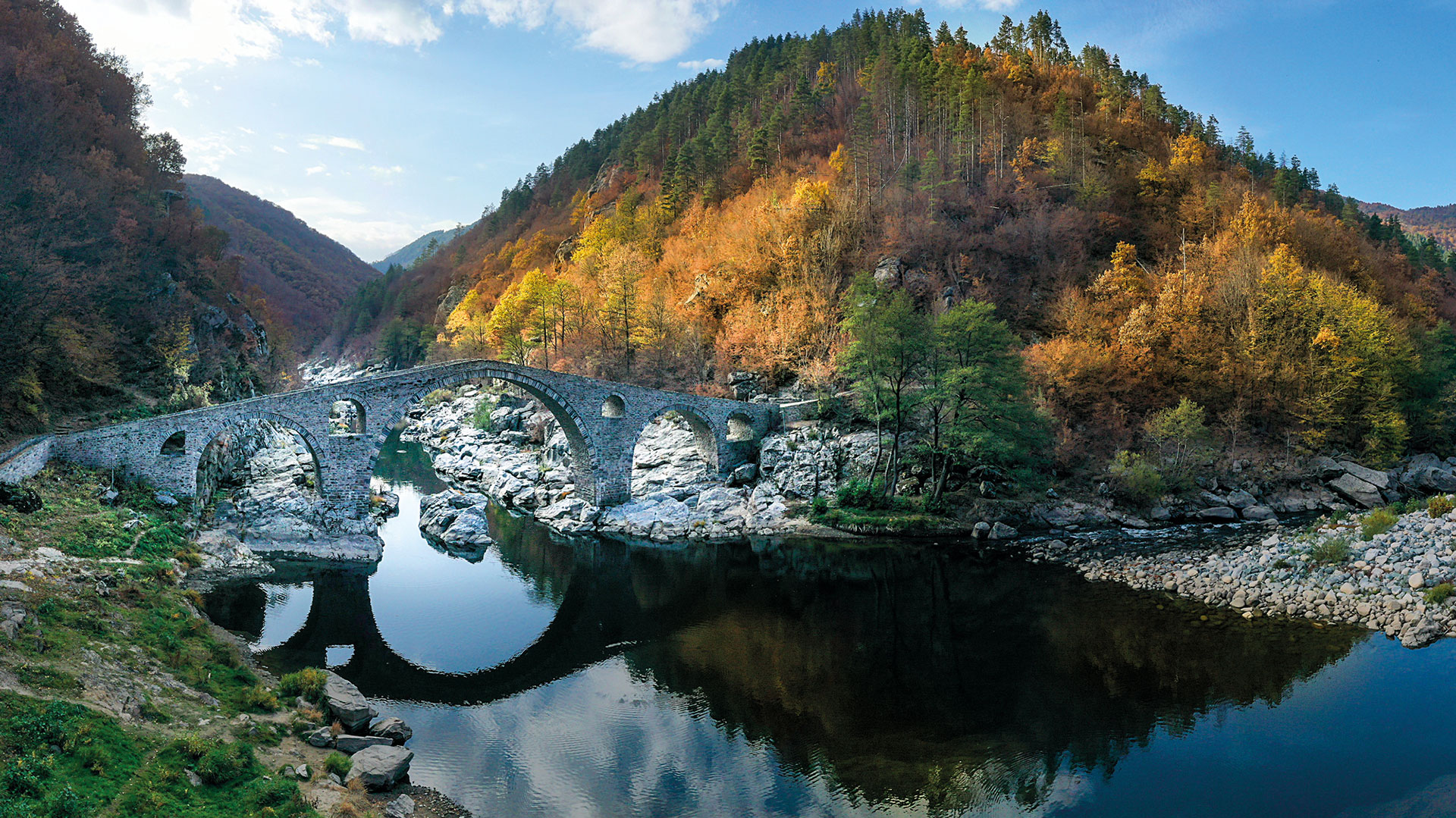
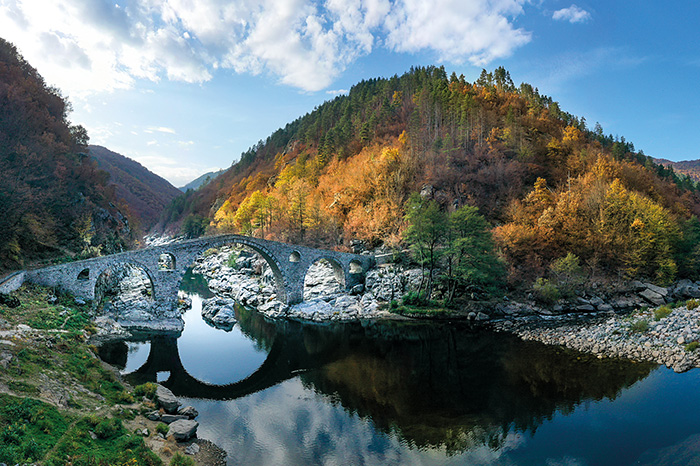
What is probably Bulgaria's most beautiful bridge also has its most sinister name. Fifty-six metres long and 12 metres high, it spans the Upper Arda River and was supposedly built by the Devil. Or the Devil was seen or heard laughing in the vicinity. Or the Devil agreed that he would leave the builders alone if they managed to construct the bridge in a certain way, so that he would be both visible and invisible at the same time. And so on and so forth.
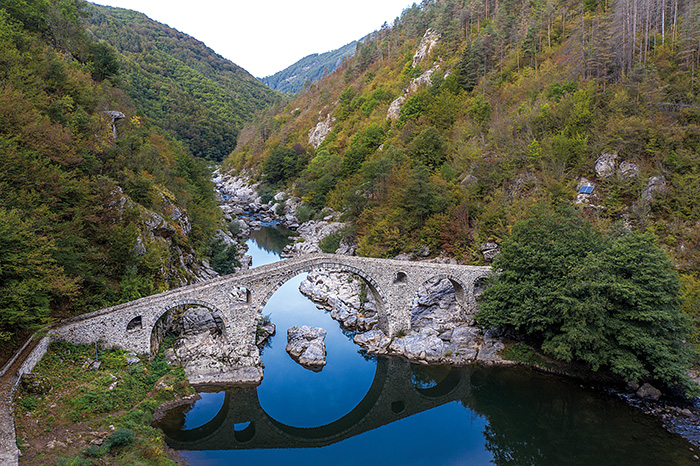
The stories about why the Devil's Bridge has this name are more than even the most devoted tour guide can remember without checking Google for devil bridge legends.
Here is the true story. The bridge was built at the beginning of the 16th century to facilitate travel from the Thracian Plain through the Rhodope mountain range to the Aegean Sea. With the advent of Communism that part of the border with NATO-member Greece was closed. The old route, in use from the time of the Romans, was abandoned, and the bridge was no longer needed. There was a moment when the bridge's very existence was put in danger by the proposed construction of a dam upstream. This did not happen, but recent over-restoration has killed some of the charm of the Devil's Bridge.
Friendship Bridge
Where: Ruse
When: 1952-1954
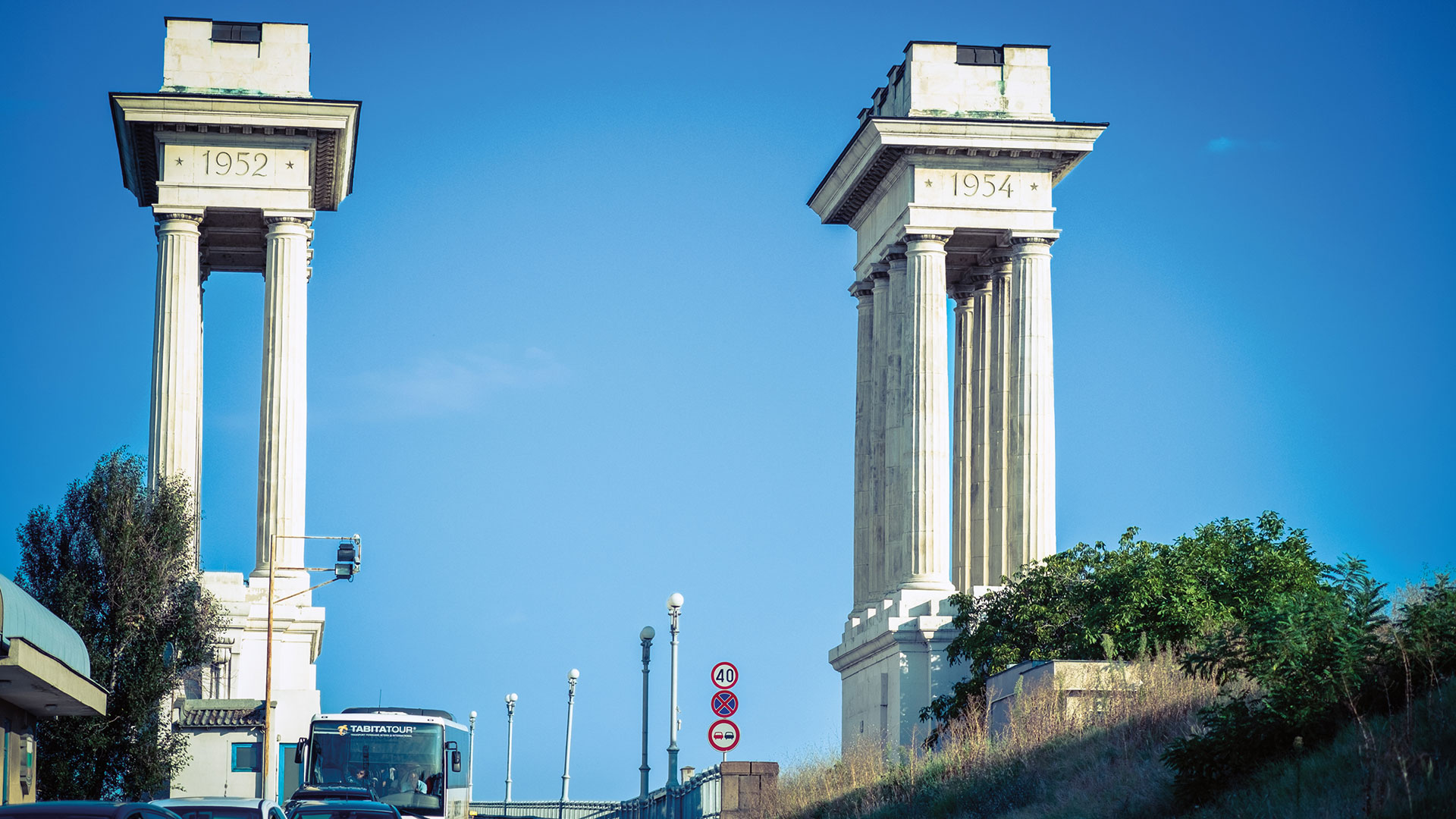
After Emperor Constantine the Great, it took 1,500 years for the next bridge between Bulgaria and Romania to appear. Its construction, in the salad days of the Eastern bloc, was a huge and very political affair, clothed in Communist propaganda.
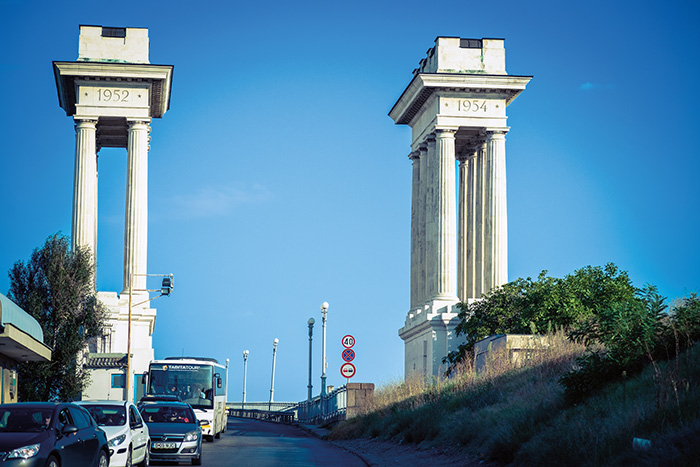
The aptly named Friendship Bridge was built when both Bulgaria and Romania were in the grips of Stalinism. It connected Ruse and Giurgiu and was a sight to behold: 2,223 m long and 30 m high. The bridge has two levels, for cars and for trains, and for decades was the main entry and exit point for Bulgaria when travelling further into Europe.
The bridge is often congested but, even so, do pay attention to the five-pointed stars adorning the lamp posts as reminders of its Stalinist origins.
The second bridge Bulgaria and Romania built over the Danube opened for traffic in 2013. In line with the changed political climate, it is named New Europe.
The Stambolov Bridge
Where: Veliko Tarnovo
When: 1892
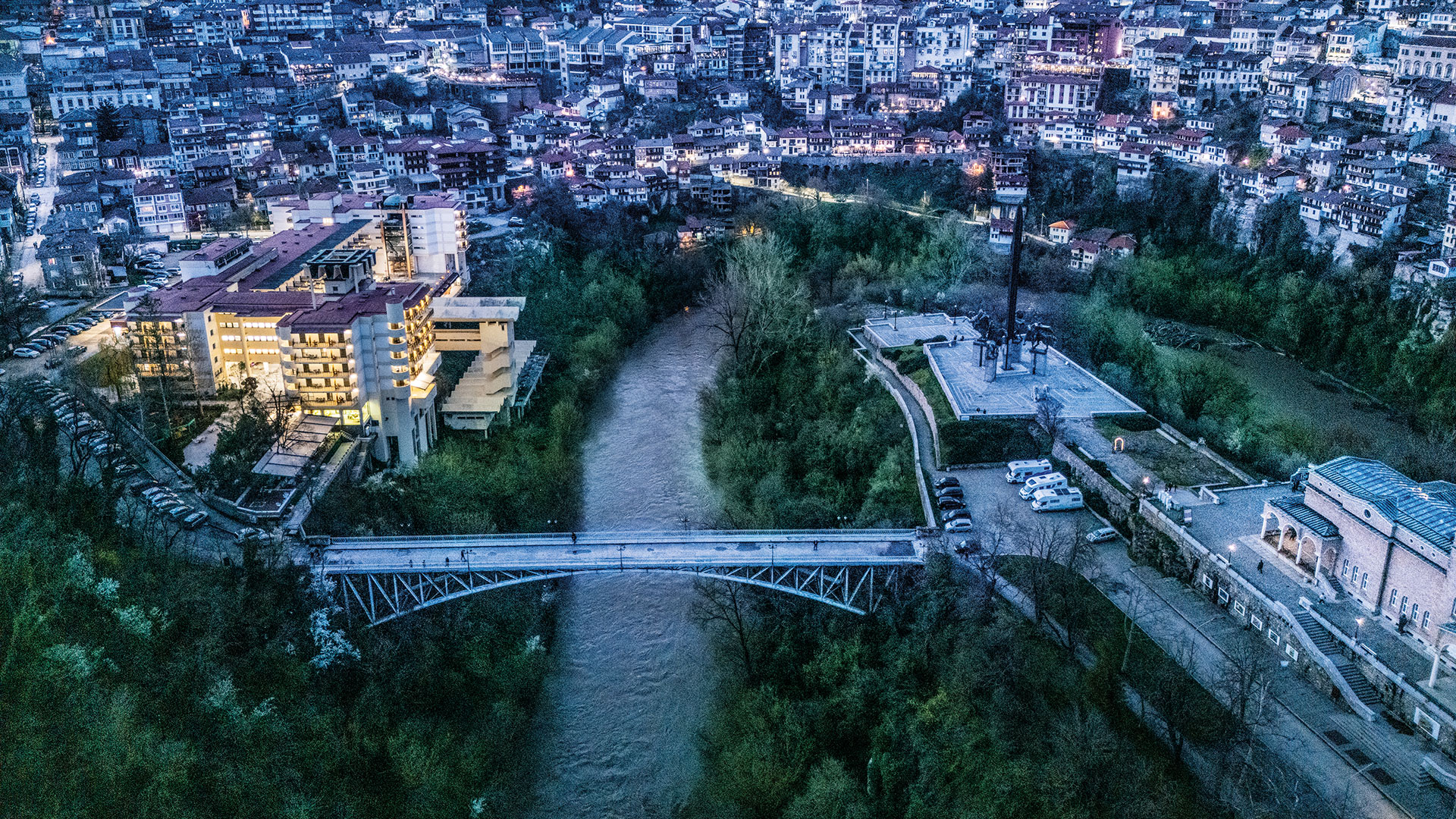
The first freestanding cast iron bridge in Bulgaria spans a bend of the Yantra River in Veliko Tarnovo. Built after the design of Italian architect Giovanni Musutti and with parts made in Austria, it is 37 metres high. According to the initial plans, it was to provide a fast connection from the centre of the city to the newly-built railway station at the foot of Boruna Hill.
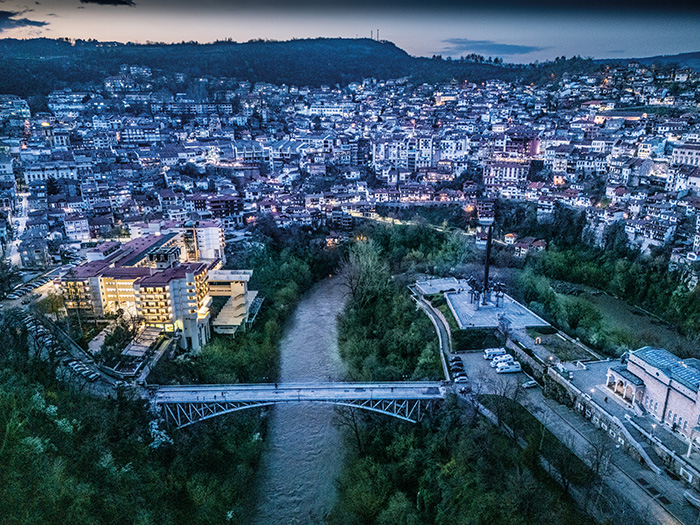
The Stambolov Bridge bears the name of Stefan Stambolov, the locally-born revolutionary, who went on to become prime minister in the late 19th century. Supposedly, he initiated the construction. The now pedestrianised bridge is a favourite spot for photographers taking pictures of Old Tarnovo, for tourists and locals who use it to reach the City Art Gallery and The Asenevtsi Monument, and for bungee jumpers.
On 24 May 1932, the bridge played a central role in a daring stunt. Bulgarian ace pilot, Petko Popganchev, flew his plane under it while the onlooking crowd cheered and applauded. Some say that it was done in an – unsuccessful – attempt to impress a local beauty.
Nenkovo
Where: Near Kardzhali, the Rhodope
When: Ottoman rule
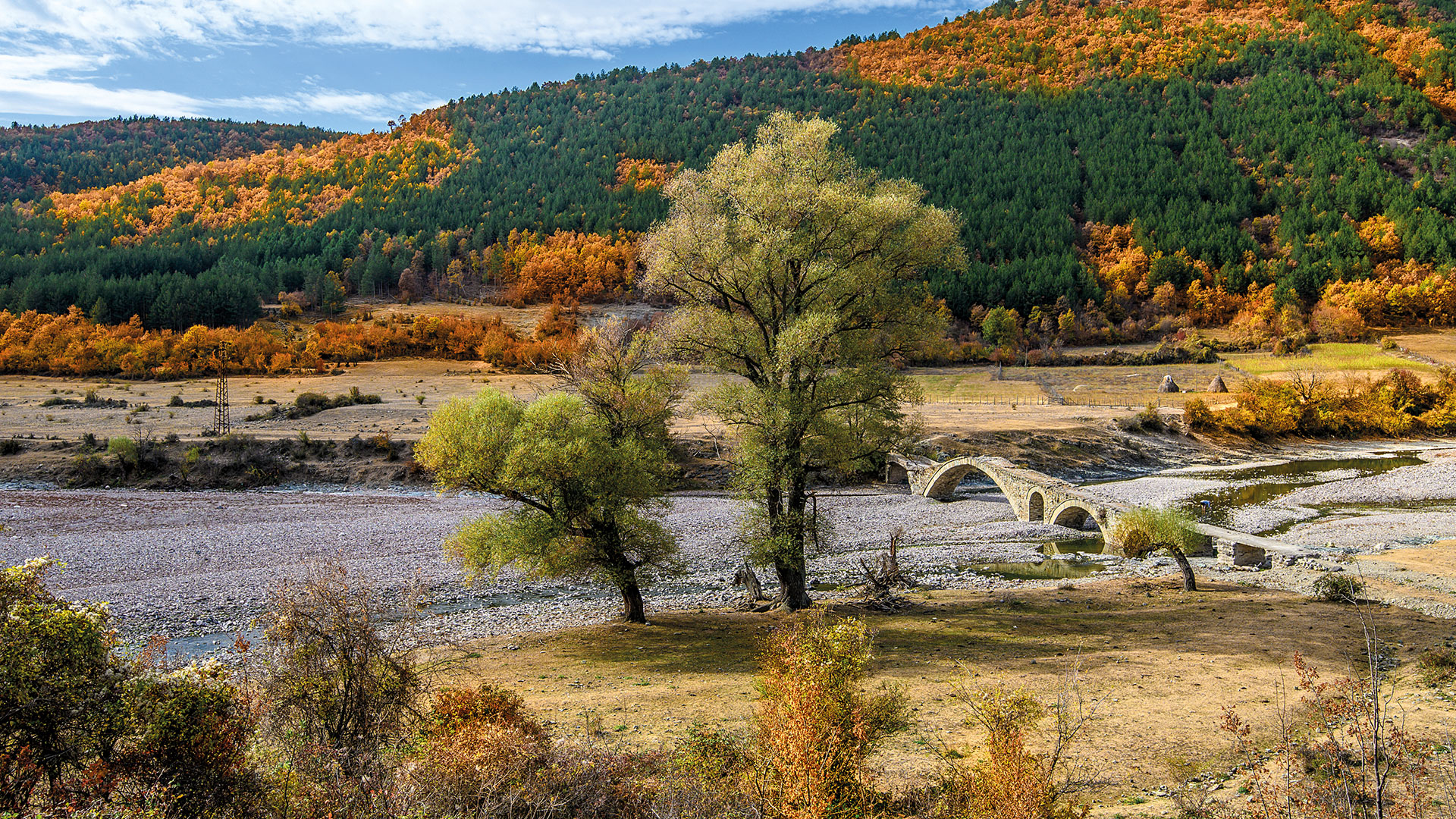
Few people are aware that the Devil's Bridge is not the longest one in the Rhodope. That title goes to the bridge at the village of Nenkovo, which is two metres longer and spans the Borovitsa River.
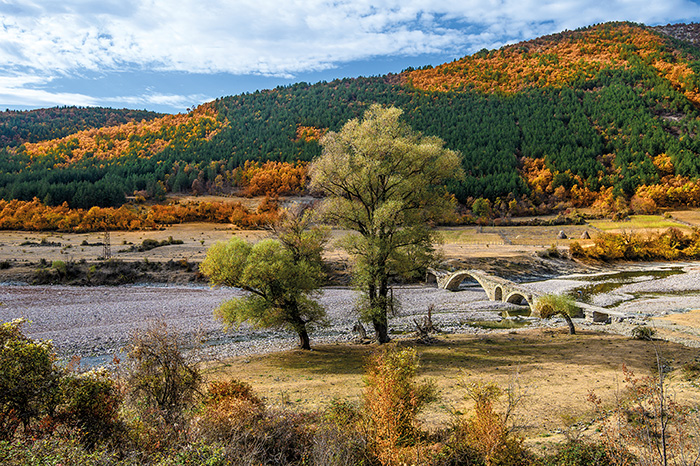
The river is usually dry or rather narrow these days, but the bridge tells a different story. If you look closely, you will see that the bridge is not symmetrical. Half of it was washed away in a violent flood and was restored later.
The Nenkovo bridge has been out of use for many years. The locals reach the other side of the river, the asphalt road and the outer world by a modern rope bridge.
Kemera Bridge
Where: Borino village, the Rhodope
When: Ottoman rule
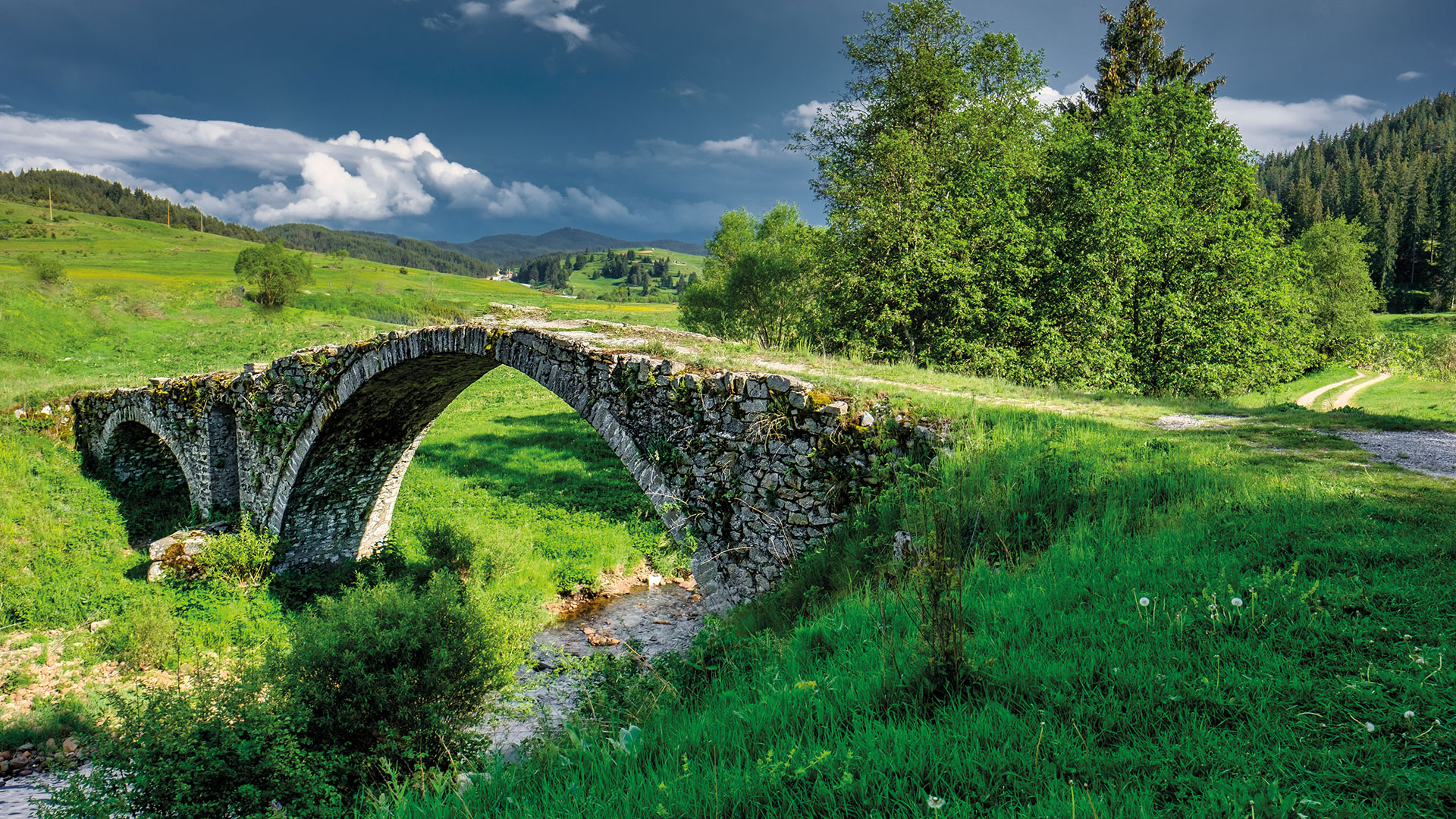
One of the great pleasures of driving or trekking in the Rhodope mountains is the chance encounter with a hump-backed stone bridge spanning a barely trickling rivulet.
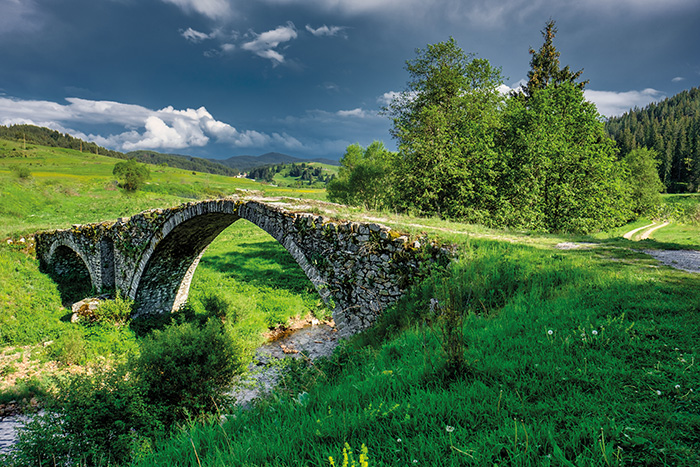
Most of them have no grandiose stories or legends attached to them, besides the prevalent belief among locals that they were built by the Romans. In actual fact, they are a lot newer and date back to the Ottoman period.
The construction of new roads has made most of the old Rhodope bridges redundant, while recent overenthusiastic restoration has robbed many of their authenticity. However, survivors remain here and there among the hills, silent monuments to ancient, now forgotten routes.
The 37-metre Kemera Bridge near the village of Borino is a case in point. Standing by the road between Gotse Delchev and Smolyan, it once facilitated travel between the Thracian Plain and the Aegean. When the Ottoman Empire's slow disintegration started, the role of this bridge changed. In 1878-1912, a border ran through its middle, leaving its eastern half in Bulgaria and the western one in the Ottoman Empire.
The old-time charm of the bridge has been harmed by the recent construction of tourist infrastructure, but seeing its stone hump for the first time among the hills still brings a feeling of discovery.
Bunovo Bridge
Where: Bunovo village
When: 1950
The only way to cross over Bunovo Bridge is by train, but the best way to realise its size and grandeur is to look at it from Bunovo village itself.
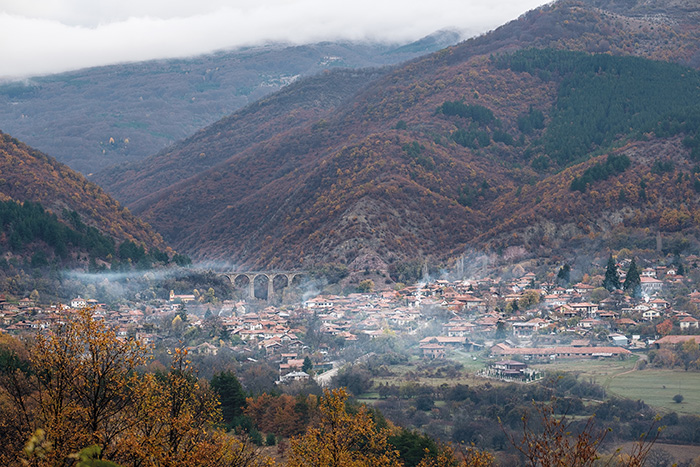
Rising to 30 m, this is the highest railway bridge in the Balkans. Its massive pillars, connected with stone arches, give it a distinct ancient-Roman-aqueduct vibe.
The bridge was built in the early days of Communist Bulgaria, as part of the railway line that connects Sofia with the country's eastern parts while running between the Stara Planina and the Sredna Gora mountains.
You can reach the bridge through a path that starts at the village's north edge, but stepping on it is prohibited for safety reasons. Your only option to hop on – or rather, from – the bridge is with an organised bungee jumping group that has been cleared with the railway authorities.
Lisitsite
Where: Near Kardzhali, the Rhodope
When: After the 1950s
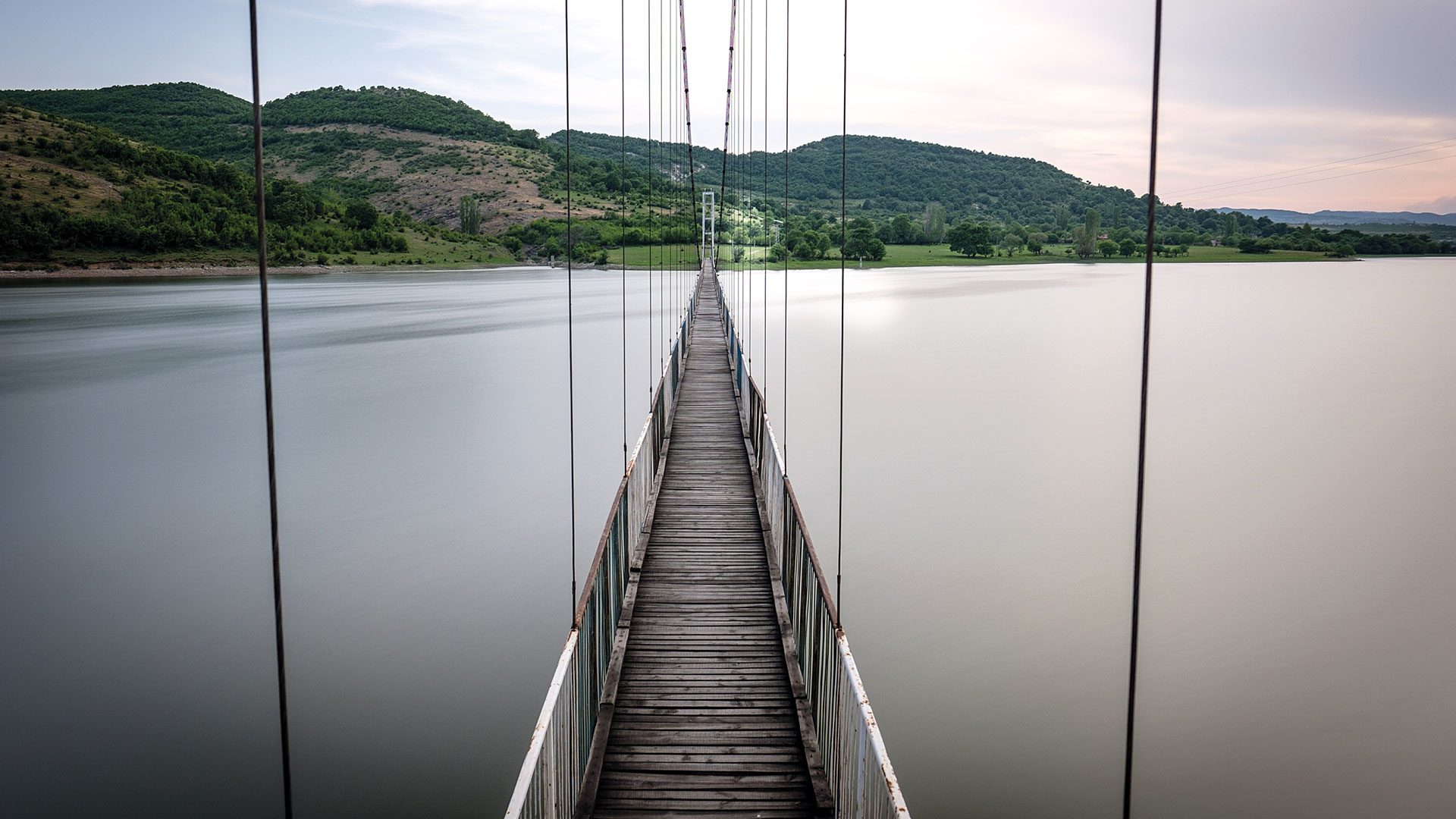
If you crave to unleash your inner Indiana Jones by crossing a rope bridge in a remote mountain, Lisitsite is the best place to be.
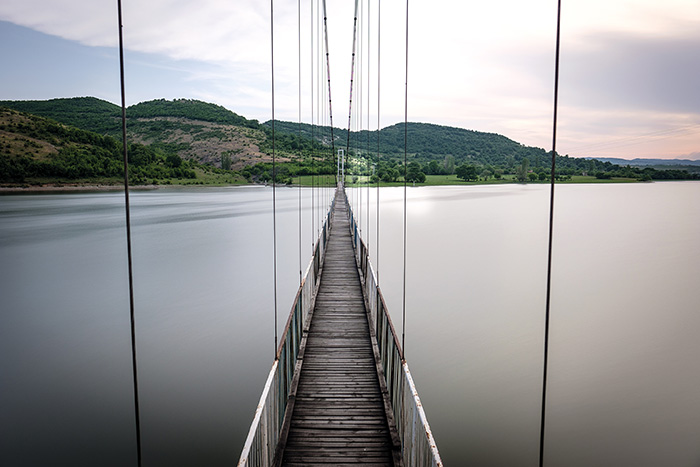
The hamlet is connected to the world with the longest rope bridge in Bulgaria. It hangs over the Studen Kladenets dam and stretches for about 260 m.
To reach it, you have to walk for about half an hour from Shiroko Pole village. Throughout your little adventure, you will be surrounded by the mountain's stunning vistas, the reservoir's glistening waters and the sight of what remains of the medieval Monyak Fort.
Kadin Bridge
Where: Nevestino Village, near Kyustendil
When: 1469-1470
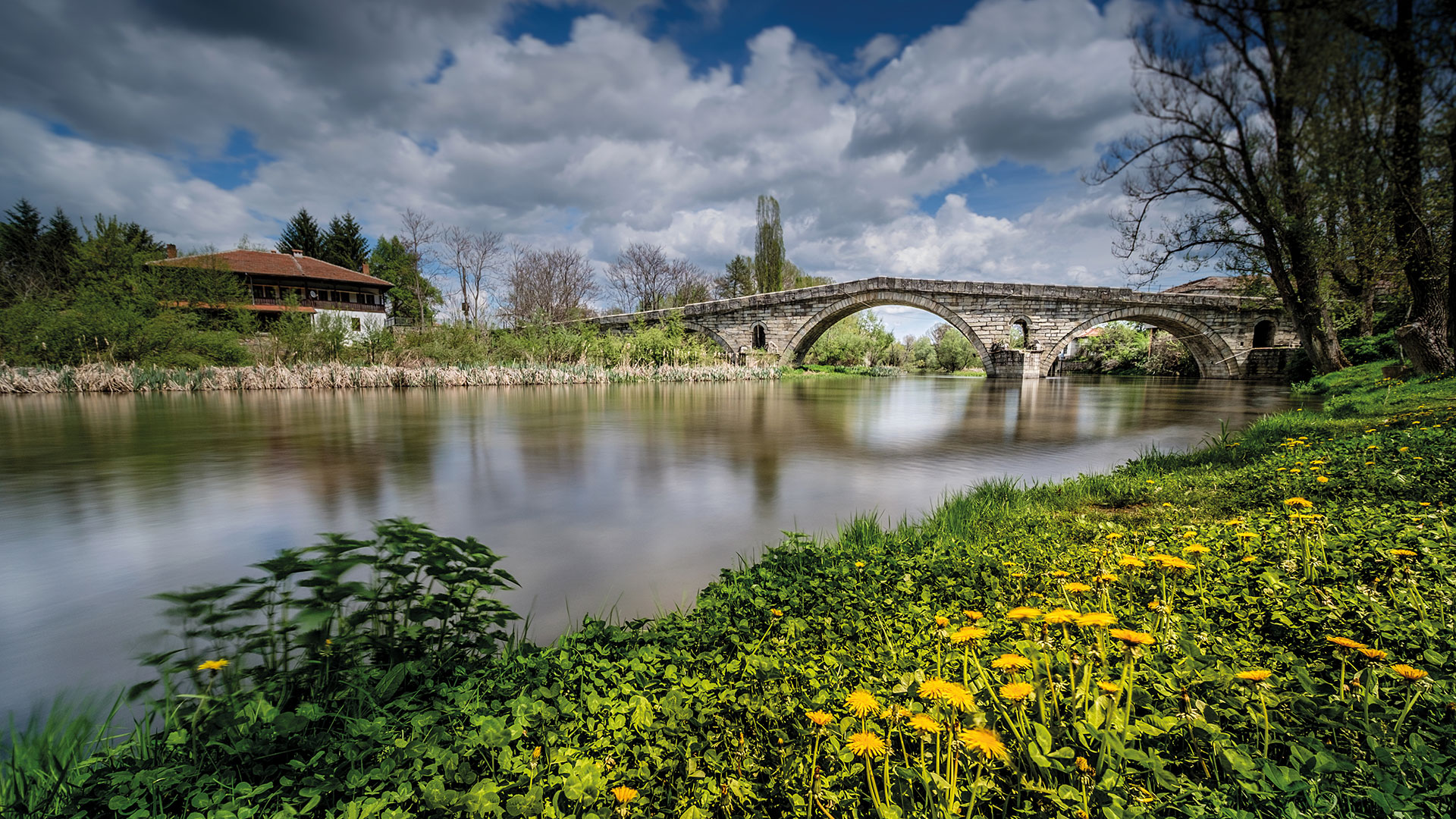
This elegant five-arched 100-metre structure in Nevestino, a village near Kyustendil, is known by two names: Kadin Bridge and Nevestin Bridge. Both words mean the same, in Turkish and Bulgarian respectively: a married woman. Both reflect the legend about how the bridge came to be.
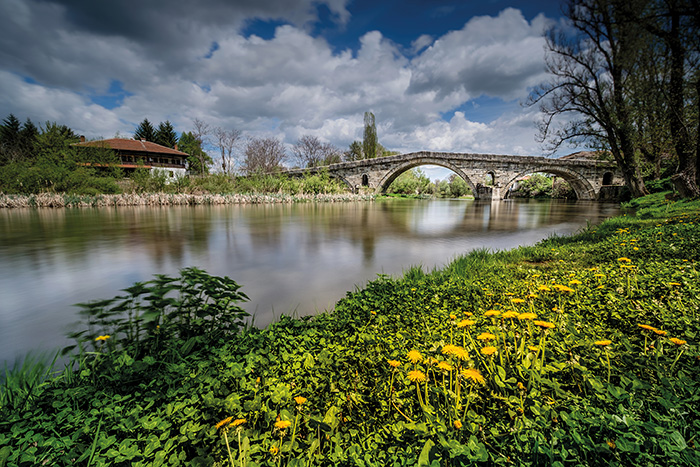
Once upon a time, three brothers who were builders were commissioned to construct a bridge over the River Struma. The work went awry from the very beginning. Each night an unknown force demolished everything they had built during the day and every morning they had to start all over again. The builders realised that the bridge needed a human sacrifice and agreed to entomb in its foundations the first person to pass by on the following morning.
The elder brothers told their wives about the agreement. The youngest did not.
On the next day his young wife came to the construction site to bring his lunch.
Neither the builder nor his wife protested against their fate, and carried out their roles in accordance with tradition. He "built" her into the bridge and she asked him to leave one of her breasts uncovered so she could feed their child.
So, the bridge was finished.
Legends are legends, but Kadin Bridge preserves traces of its real history: a builder's inscription recalls that it was built by Ishak Pasha, Grand Vizier of Sultan Mehmed II the Conqueror, in 1469-1470 to facilitate travel from Constantinople to Skopje and the western Balkans.
Today local traffic in sleepy Nevestino still uses the bridge, but the times when Kadin Bridge was on a major route are long gone.
Mustafa Pasha Bridge
Where: Svilengrad
When: 1529
Built by Mustafa Pasha, a vizier of the sultans Selim I and Süleyman the Magnificent, the bridge in Svilengrad was part of a compound consisting of a roadside inn, a public bath, and various other buildings. With its 295 m it is the longest Ottoman bridge in Bulgaria. It has 21 arches, the widest of which spans 18 m.
Before the bridge was built, this stretch of the River Maritsa was uninhabited. Just a few years after the masons had finished their work, a settlement with a lively market place sprang up by it – Mustafa Pasha town, the predecessor of Svilengrad.
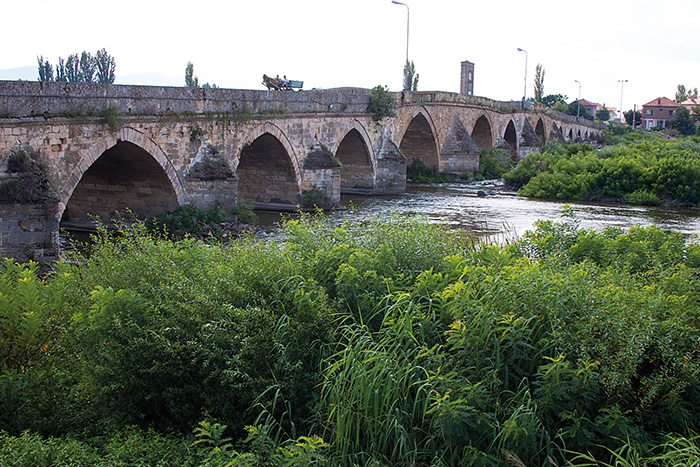
Svilengrad's bridge in the 2000s
There is a curious legend about the construction of this bridge. When the work was done, Süleyman I felt jealous of the magnificent structure and wished to buy it. Mustafa Pasha was unwilling to see the bridge into which he had put his heart and his money in the hands of another, but his refusal would have dishonoured the sultan. The pasha was at his wits' end and asked for a night of reflection. Süleyman agreed.
During the night, the pasha killed himself. Enraged, Süleyman cursed the bridge: May the first man who crosses it die.
Only one man dared to cross it, and this was Mustafa Pasha's father, a now childless parent whose life had lost its meaning.
The bridge you see today in the centre of Svilengrad (the name was adopted in 1913 after the city became part of Bulgaria) is not exactly the same as the one from the 16th century. In 1766 a particularly high surge of the Maritsa swept away half of its arches. The bridge was rebuilt in 1790.
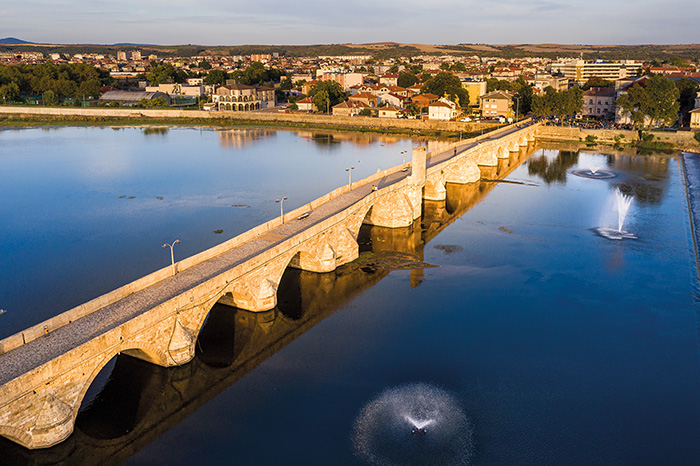
The bridge in the 2020s
The building inscription is still in place, in the middle of the bridge. It reads: "This bridge was built when Caliph was the greatest among sultans Sultan Süleyman Khan, son of Selim Khan, may he continue his safety and security, their vizier Mustafa Pasha – may God bless all that he creates. And it [the building of the bridge] was his most lasting good deed in the year, on the day on which an eternal good deed came to be."
-
COMMENTING RULES
Commenting on www.vagabond.bg
Vagabond Media Ltd requires you to submit a valid email to comment on www.vagabond.bg to secure that you are not a bot or a spammer. Learn more on how the company manages your personal information on our Privacy Policy. By filling the comment form you declare that you will not use www.vagabond.bg for the purpose of violating the laws of the Republic of Bulgaria. When commenting on www.vagabond.bg please observe some simple rules. You must avoid sexually explicit language and racist, vulgar, religiously intolerant or obscene comments aiming to insult Vagabond Media Ltd, other companies, countries, nationalities, confessions or authors of postings and/or other comments. Do not post spam. Write in English. Unsolicited commercial messages, obscene postings and personal attacks will be removed without notice. The comments will be moderated and may take some time to appear on www.vagabond.bg.
 Vibrant Communities: Spotlight on Bulgaria's Living Heritage is a series of articles, initiated by Vagabond Magazine and realised by the Free Speech Foundation, with the generous support of the America for Bulgaria Foundation, that aims to provide details and background of places, cultural entities, events, personalities and facts of life that are sometimes difficult to understand for the outsider in the Balkans. The ultimate aim is the preservation of Bulgaria's cultural heritage – including but not limited to archaeological, cultural and ethnic diversity. The statements and opinions expressed herein are solely those of the FSI and do not necessarily reflect the views of the America for Bulgaria Foundation or its affiliates.
Подкрепата за Фондация "Фрий спийч интернешънъл" е осигурена от Фондация "Америка за България". Изявленията и мненията, изразени тук, принадлежат единствено на ФСИ и не отразяват непременно вижданията на Фондация Америка за България или нейните партньори.


Add new comment