

As seaside city prepares to host Eurovision 2027, here is what to see there meantime
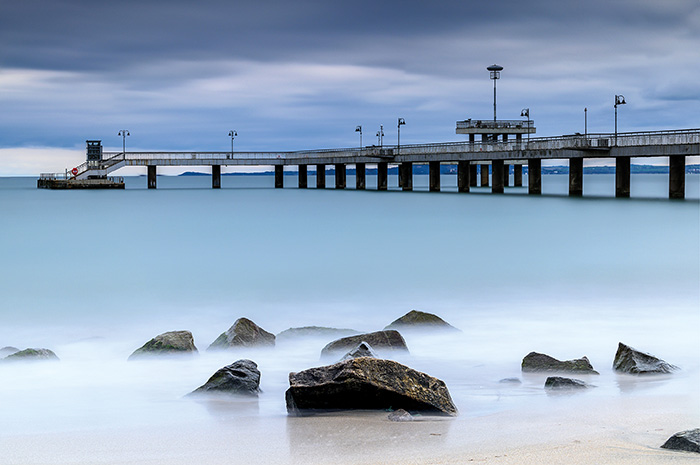
Being in Burgas between 11 and 15 May 2027 will not be for the faint-hearted, or for people with active dislike of current Europop. Following the historic win of DARA in 2026, the seaside city will host next year's competition – and will be packed with tens of thousands of revellers who have come to bask in the best and worst of today's music producers and performers. The crowds will be thick, and the prices of accommodations in and around the city – a major summer tourism hub – are already exorbitant.
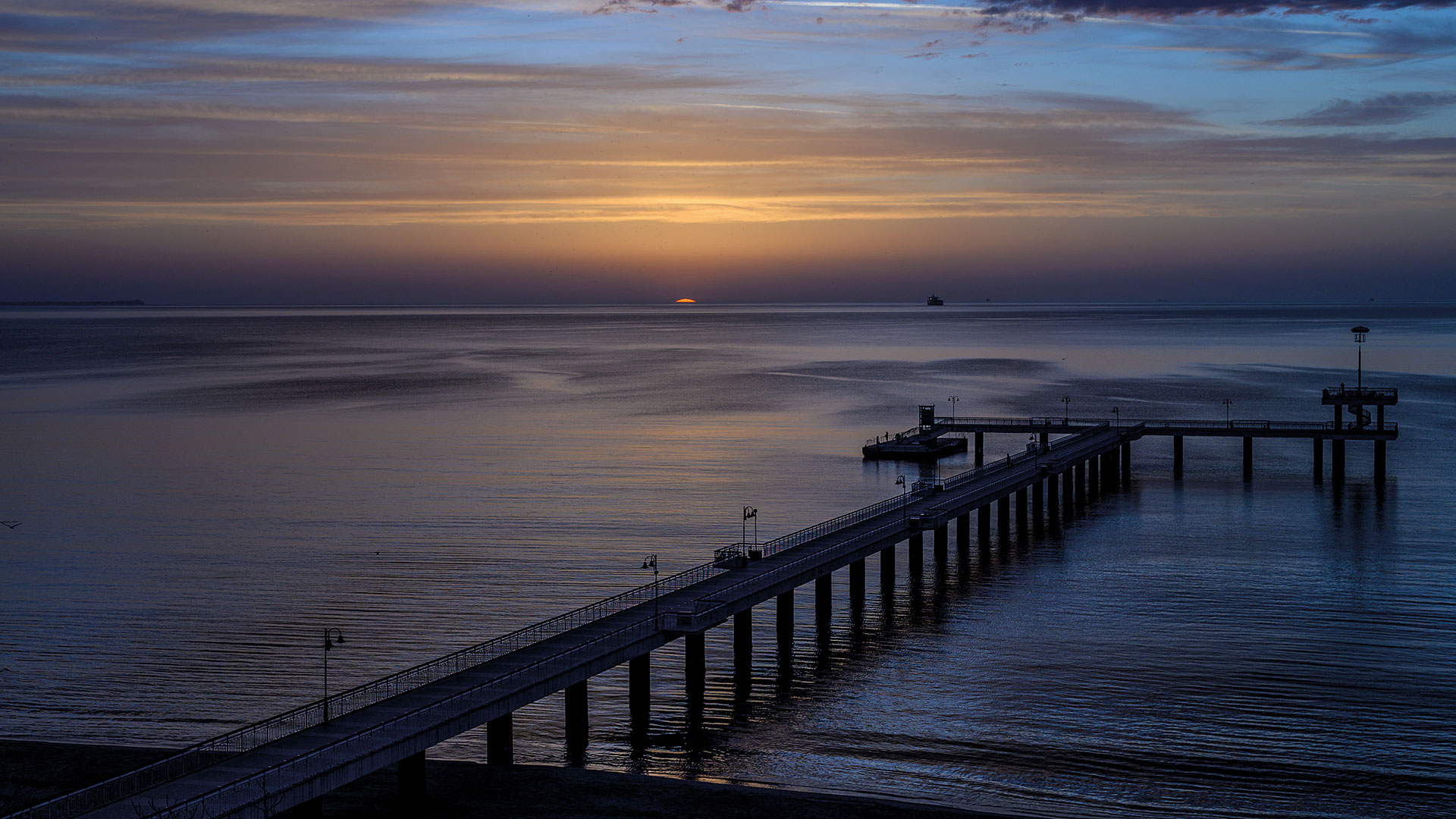
Burgas, of course, deserves all of your attention and the calmer, quiet late autumn is one of the best times to explore this extraordinary town. The sea will be calm and, weather permitting, could allow for some late sunbathing and swimming. The trees in the Maritime Garden will be in all nuances of gold, orange, red and green. There will be fewer people in the narrow central streets, allowing for more exploration of the city's sights and pleasures.
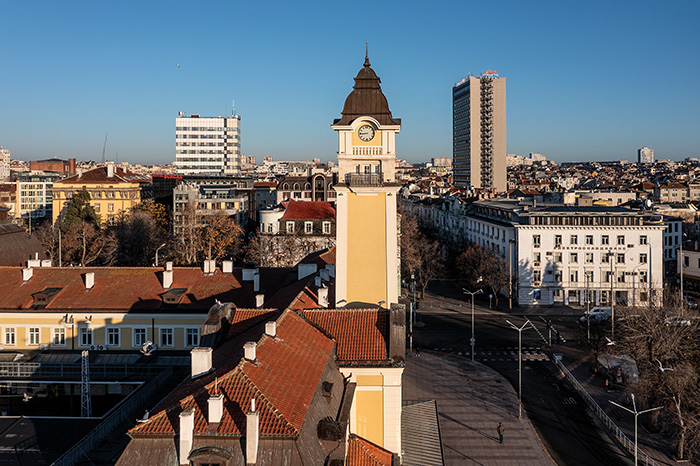
The distinctive clock tower of Burgas railway station
Burgas is a peculiar city. In a nation that boasts some of the oldest continuously inhabited places in Europe, it is a recent creation. Before the 19th century, the inhabitants of this part of the Burgas Bay lived in a cluster of smaller settlements. The city started to take shape gradually, helped by the silting of nearby rivers and lakes that created the Burgas Bay that we see today. Seafaring traffic started to gravitate towards it, and the Ottoman authorities took notice. In 1860 they equipped it with a telegraph. Armenians started to flock to it, creating a church. Jews settled in, along with Orthodox Bulgarians. There were also Greeks. Suddenly, in the span of a couple of decades, Burgas emerged as an important local harbour and trade spot.
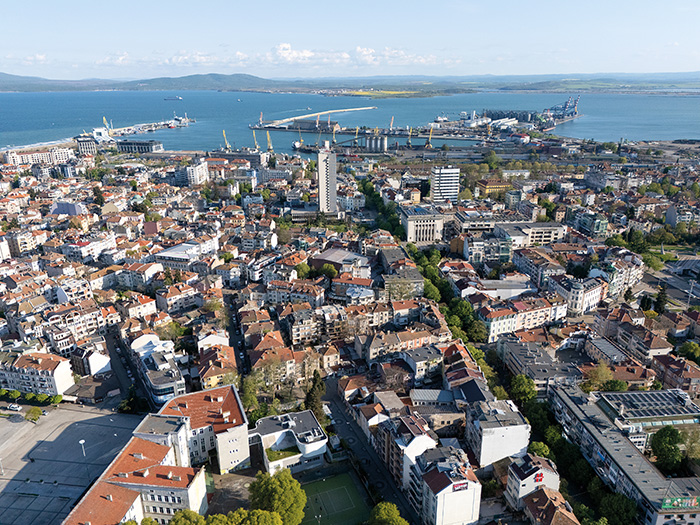
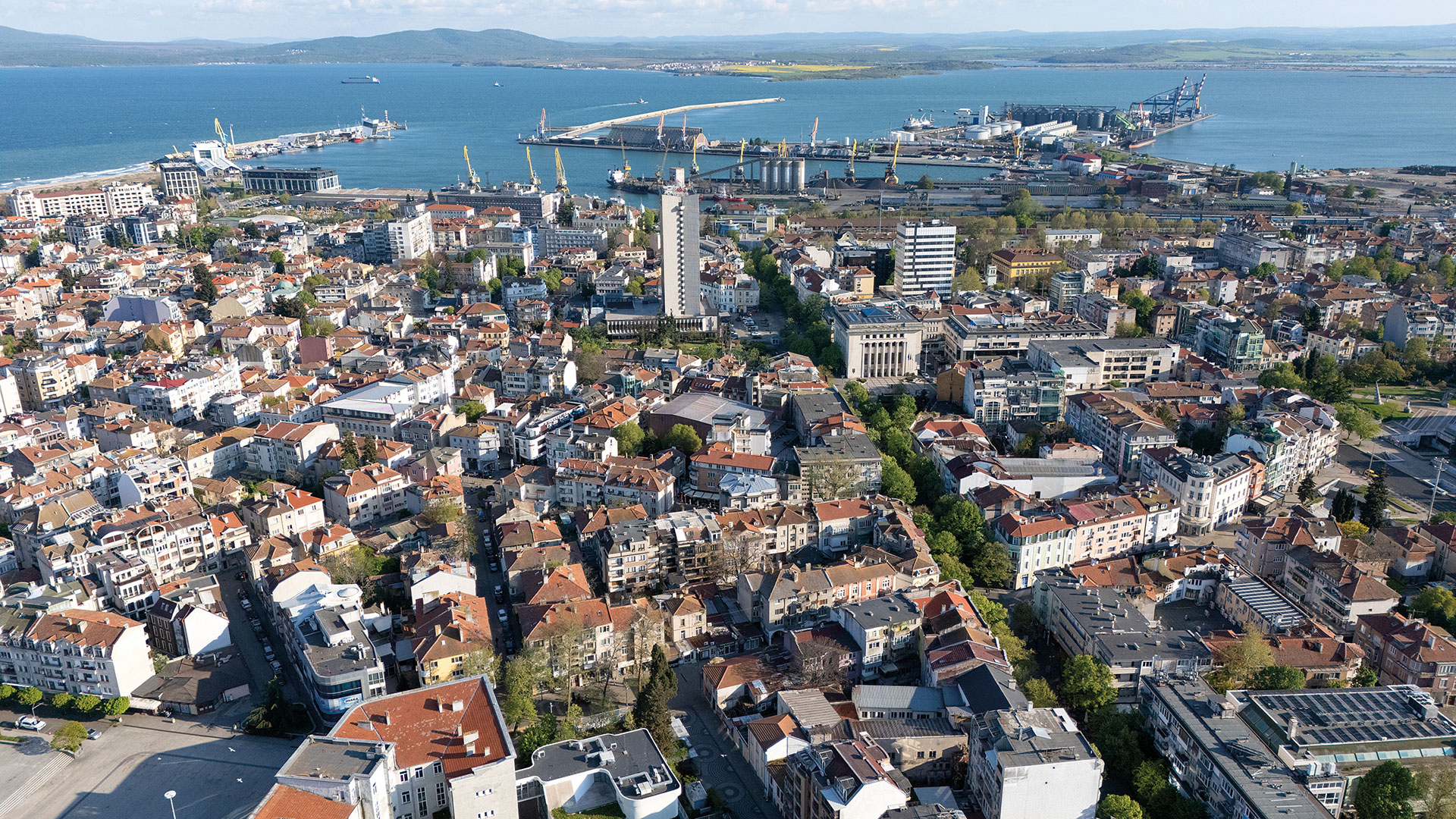
Under Communism, the town lost many of its pre-war architecture, but some parts of its centre has retained its unhurried charm
The town became part of Bulgaria in 1885, after the unification of the Principality of Bulgaria and the semi-autonomous Ottoman province Eastern Roumelia. As one of the young nation's main ports, it continued to swell on waves of new settlers – mainly Bulgarian refugees from lands that remained outside Bulgaria, internal migrants, and a panoply of foreigners, attracted by its business opportunities: Italians and French, Russians and Poles, English and Germans and more. The malaria-infested swamps around were cleaned up owing to the generosity of an American, John D. Rockefeller, and his worldwide health charity. Soon Burgas would become a little Brooklyn. The thousands of impoverished refugees did not care about faith, religion or past animosity. They had one thing on their minds: make money. As a result Burgas saw rapid economic development of the sort other parts of Europe, for example southern Italy, would not experience until the 1950s.
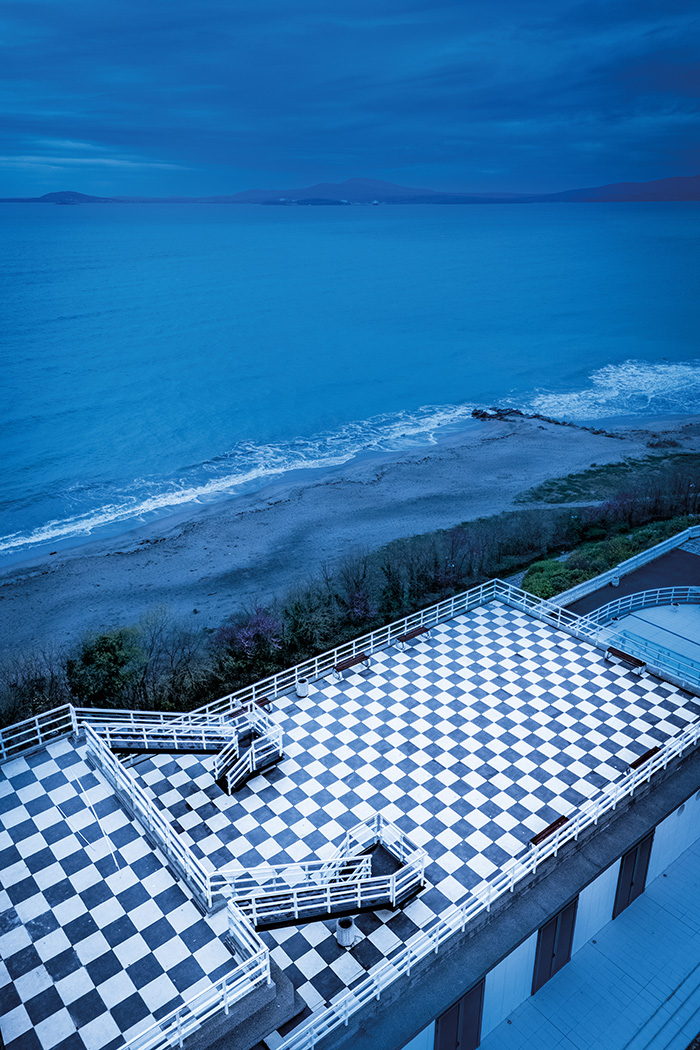
After years of neglect, the telltale maritime casino is now a cultural centre
In the first half of the 20th century, Burgas got some of its defining and most charming features – the streets lined with beautiful fin-de-siecle villas, the splendid Maritime Garden with the distinctive modernist casino building, the imposing railway station and its most notable religious buildings: the Italian-designed Ss Cyril and Methodius Church, Surp Hach Armenian Church, Mary Mother of Christ Catholic Church and an elegant synagogue. It now houses the City Art Gallery.
Communism, of course, utterly transformed the face of Burgas, and it is visible in the city fabric today. The Maritime Garden was expanded and new sculptures – to people ranging from Revival Period to Communist heroes to... the Russian poet Alexander Pushkin were added. The port expanded as well. When you go to the passengers' terminal today, where there are some fine eateries and cultural spaces, made under the city's current government, you are seeing infrastructure built for times when travelling by passenger and hydrofoil ships was still a thing for Burgas and Bulgarians.
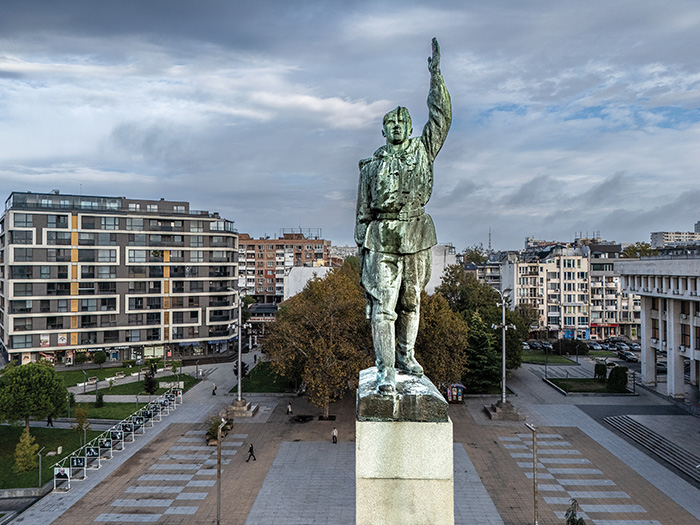
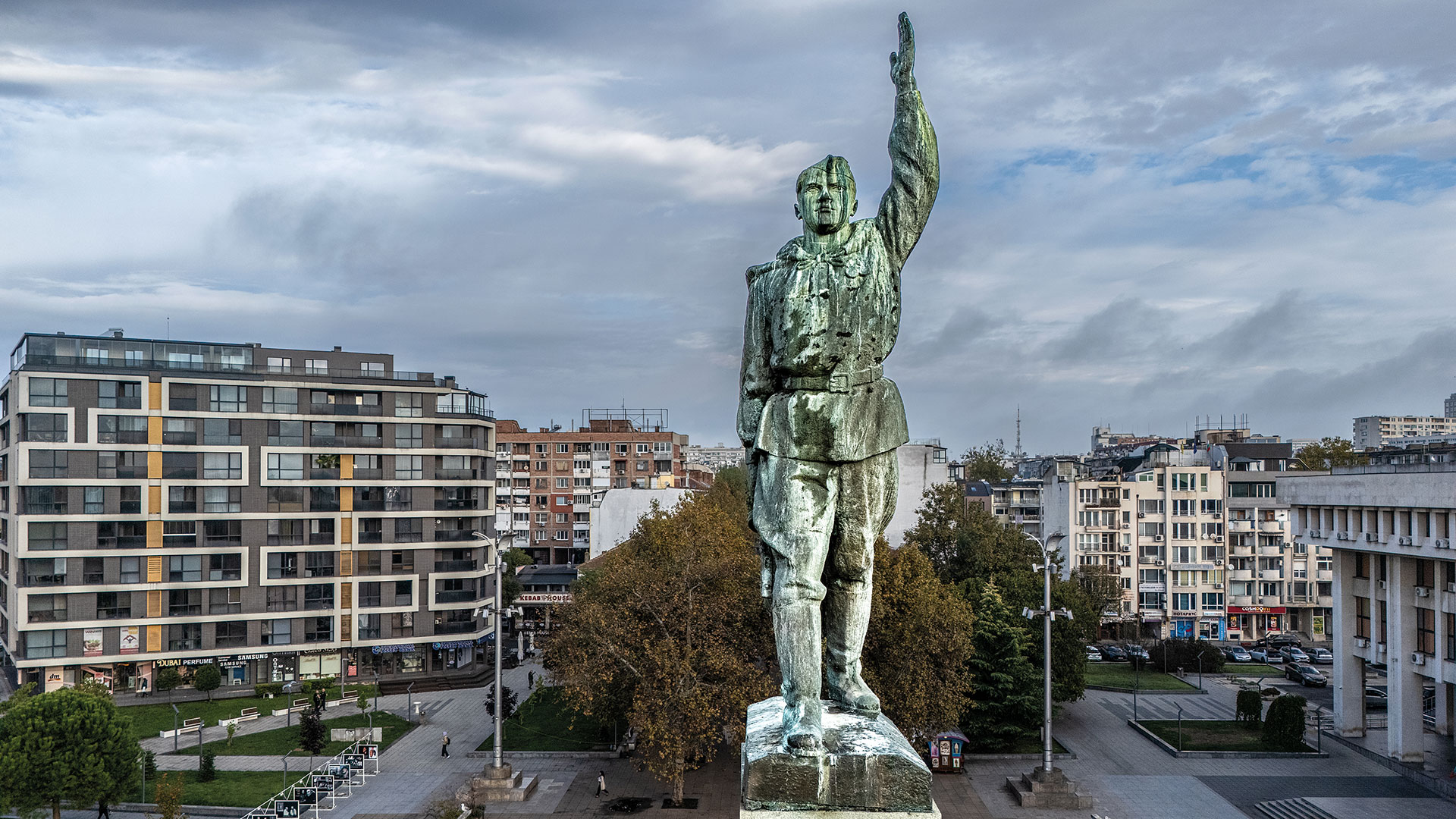
The Soviet Army monuments still dominates the city's main square
The most imposing memory of this part of the city's past – if you do not count the countless housing projects built around Burgas's historical core and Bulgaria's only crude oil refinery – is on the Troykata Square. The square itself appeared in the early 1900s, but now at its focus is a tall pillar adorned with a Soviet soldier. The entire monument is 18 metres high. In actual fact, no Soviet soldiers have died in battle in Burgas, or elsewhere in Bulgaria, after the Red Army entered the country in early September 1944, effectively backing the Communist coup. The monument was created merely to intimidate local people into believing that the new order was here to stay, actively supported by the Big Brother in Moscow.
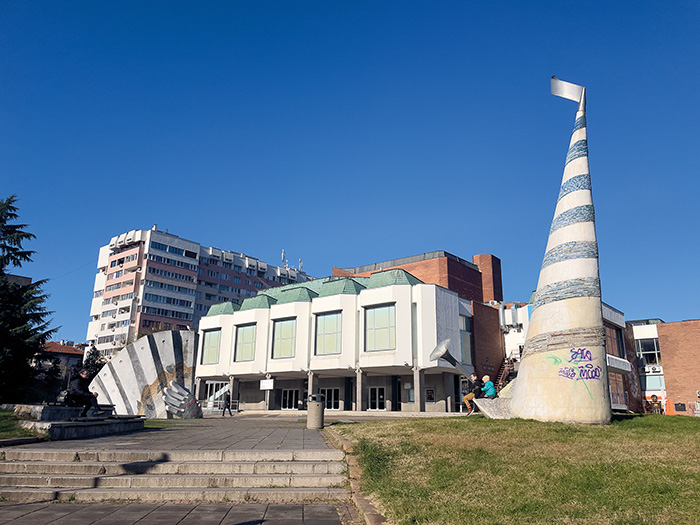
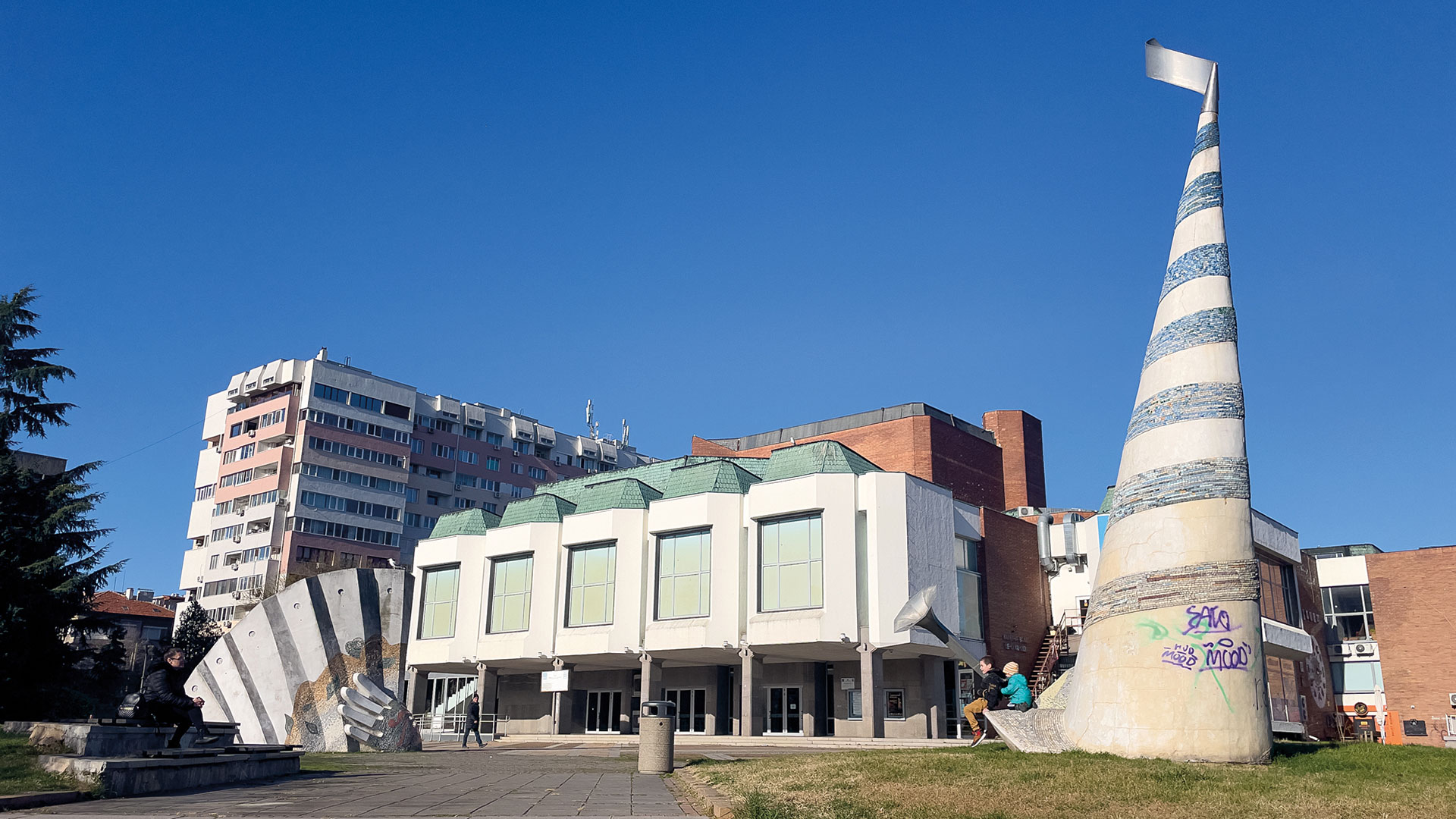
Public art in front of the Burgas State Opera
In the decades since Bulgaria became a NATO and EU member, in the 2000s, Burgas has increasingly strived to transform itself into a modern, pleasant destination for Bulgarian and international tourists. Some of its efforts were well conceived, such as the ambitious Spirit of Burgas and SPICE Music festivals. Others raised some eyebrows, like the expensive bus stops with winter heating that were supposed to make waiting for public transport cosier despite the fact that winters in Burgas are generally mild and sunny.
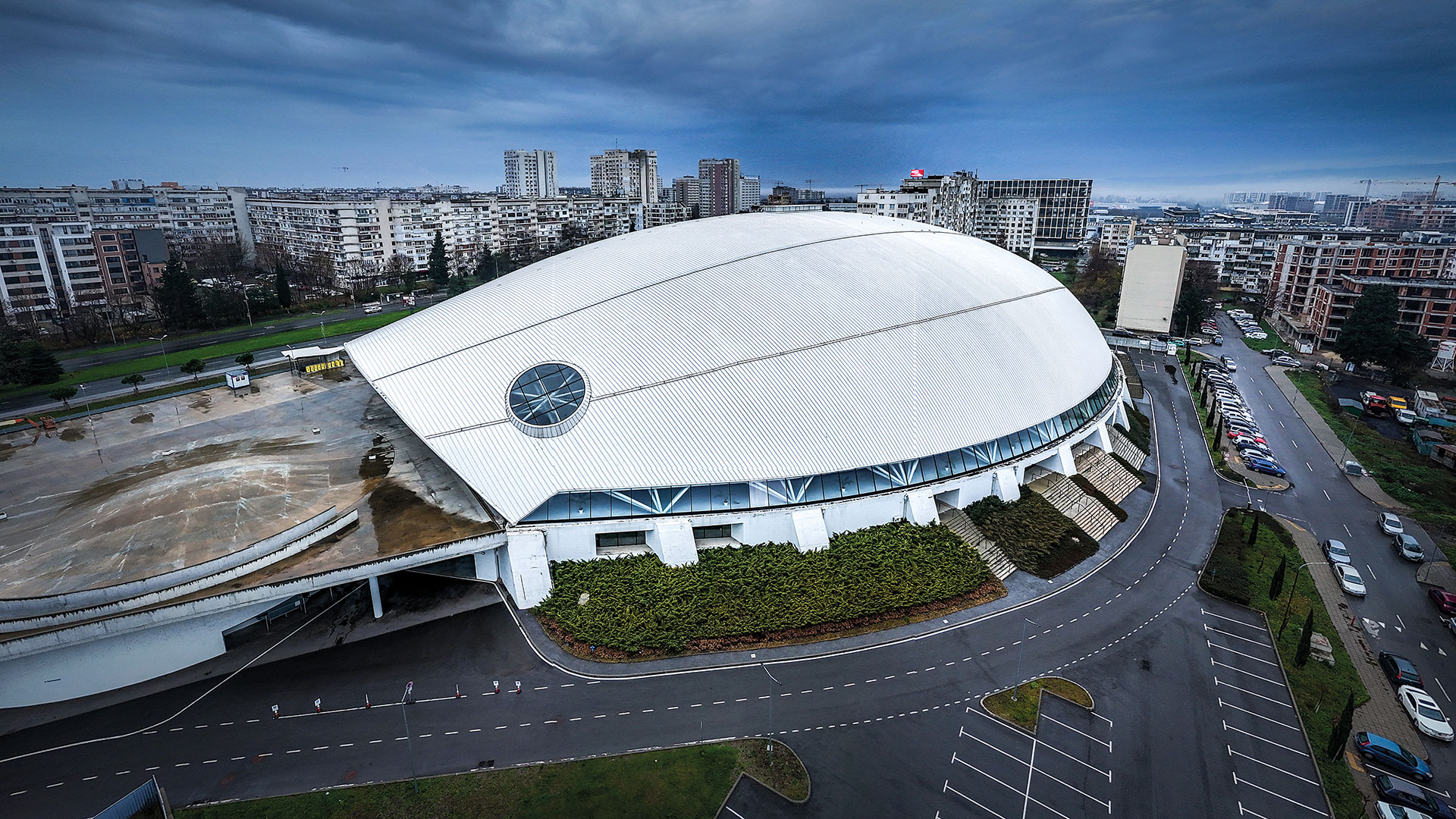
One of these new developments, the multi-functional Arena Burgas venue, was also controversial. It took years to construct and its budget skyrocketed. Critics pointed to insufficient sport capacity and architectural and functional flaws. Nevertheless, it is where the Eurovision song contest will be held. Work on its transformation for the event has already started.
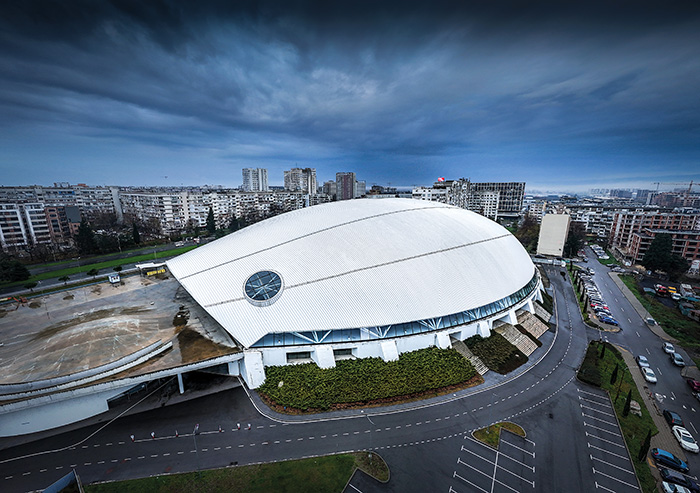
The next Eurovision will be held at Burgas Arena
-
COMMENTING RULES
Commenting on www.vagabond.bg
Vagabond Media Ltd requires you to submit a valid email to comment on www.vagabond.bg to secure that you are not a bot or a spammer. Learn more on how the company manages your personal information on our Privacy Policy. By filling the comment form you declare that you will not use www.vagabond.bg for the purpose of violating the laws of the Republic of Bulgaria. When commenting on www.vagabond.bg please observe some simple rules. You must avoid sexually explicit language and racist, vulgar, religiously intolerant or obscene comments aiming to insult Vagabond Media Ltd, other companies, countries, nationalities, confessions or authors of postings and/or other comments. Do not post spam. Write in English. Unsolicited commercial messages, obscene postings and personal attacks will be removed without notice. The comments will be moderated and may take some time to appear on www.vagabond.bg.
 Vibrant Communities: Spotlight on Bulgaria's Living Heritage is a series of articles, initiated by Vagabond Magazine and realised by the Free Speech Foundation, with the generous support of the America for Bulgaria Foundation, that aims to provide details and background of places, cultural entities, events, personalities and facts of life that are sometimes difficult to understand for the outsider in the Balkans. The ultimate aim is the preservation of Bulgaria's cultural heritage – including but not limited to archaeological, cultural and ethnic diversity. The statements and opinions expressed herein are solely those of the FSI and do not necessarily reflect the views of the America for Bulgaria Foundation or its affiliates.
Подкрепата за Фондация "Фрий спийч интернешънъл" е осигурена от Фондация "Америка за България". Изявленията и мненията, изразени тук, принадлежат единствено на ФСИ и не отразяват непременно вижданията на Фондация Америка за България или нейните партньори.


Add new comment