


The founder and CEO of Ethera Technologies on the accessibility of AI and the opportunities it offers Bulgarian businesses

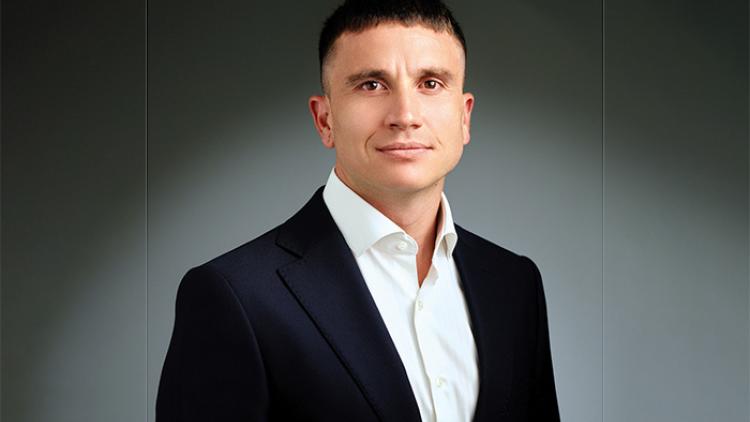
Yani Lozanov is an engineer and entrepreneur, and the founder of Ethera Technologies, an AI transformation company. He studied mechanical automation in Germany and worked as a software engineer in Berlin before returning to Bulgaria in 2022. With his team, he implements AI systems in real-world business environments, from automated document processing to AI assistants used by entire teams every day. The management training he delivers is the first step in the company's methodology: understanding first, then implementation with measurable results. He received the AI Ambassador award at the 2025 Mr and Mrs Economics awards and was a finalist in Technovators League 2026.
Mr Lozanov, how advanced is Bulgarian business in adopting AI? Are companies still experimenting, or are they already using it strategically?
According to Eurostat, around 9% of Bulgarian companies use AI, compared with an EU average of 20%. But these figures conceal two very different realities. A small group of companies is already taking a strategic approach, with systems in place and measurable results. Most are experimenting individually, without a process or any way to measure the outcome. Yet the shift is palpable: businesses are no longer asking what AI is, but "Where do we start?" That is a strategic signal.
When a company says, "We want to implement AI", what are the first steps you take at Ethera Technologies?
We start with processes, not technology. Around 85% of AI projects fail, often because companies start with the technology rather than the problem they are trying to solve. Our first step is therefore a short training session to help identify genuine opportunities. Next, we review the company's processes and data, then select one process with clear rules and measurable results. Only then do we implement AI. The first project should be small, fast and able to demonstrate results in numbers. That is what builds trust.
Which business processes can already be automated with the greatest impact?
The first wave is concentrated in three areas: document processing, making accumulated corporate knowledge accessible, and employee training. These processes have clear logic, defined rules and measurable outcomes.
A good example of the second area is an ERP software provider with more than 400 clients. The product's full logic existed only in the minds of its most experienced consultants. Today, an AI assistant drawing on the documentation and a 25-year-old codebase makes this knowledge accessible to the entire team in seconds.
What specific business problems have you solved with AI, and what measurable results have your clients achieved?
An expert valuation company needed to update nearly 8,000 valuation reports. A task that would have required months of manual work was completed in a matter of weeks, saving an estimated 2,900 hours, according to the client – roughly equivalent to one person's working year. Every report undergoes three levels of checking and validation by a certified valuer.
The second example concerns training. One of Bulgaria's leading estate agency chains uses a voice-based AI simulator that plays the role of a client, allowing agents to practise realistic telephone conversations. In the first three and a half months, 240 real estate agents completed more than 11,800 practice calls. Measurable improvements in performance were recorded among 68% of those who trained regularly.
What is the next step in AI development for business that Ethera is pursuing?
Individual AI agents are only the beginning. The next product we are developing will give every company its own AI system – one that learns from the company's documents, emails and business systems without the data leaving the organisation.
Today, most companies are organisations with amnesia. Their knowledge leaves with every departing employee or disappears into old emails. A company's own AI changes that: it understands the business's processes, clients and history, becoming more useful with every working day. The knowledge that accumulates and stays within the organisation becomes an advantage competitors cannot copy.
If you could change one thing about Bulgaria's business environment to accelerate AI adoption, what would it be?
Greater visibility for real results. Around 9% of Bulgarian companies already use AI, yet almost none publicly share what they have achieved or provide figures. As a result, every new adopter starts from scratch.
If I could change one thing, it would be to end this culture of silence. Measurable results should be shared, even when a company prefers to remain anonymous. Nothing accelerates AI adoption more than a real example. That is why we publish figures from our projects.
Which AI trend will have the greatest practical impact on business over the next one to two years?
AI agents that don't wait for instructions. Today, most people use AI as a window where they type a question and receive an answer. Over the next one to two years, this will be turned on its head: an agent will monitor the process it is responsible for and initiate action when something happens, such as a document arriving, a new order coming in or a customer enquiry being received.
But boundaries and controls must be designed in from day one, not added later. Companies that learn to delegate tasks to such agents will operate at the pace of a team many times their size.
What excites you most about AI's development, and what concerns you most?
I am excited that, for the first time, technology of this calibre is accessible to the average Bulgarian company, not just corporations with large IT budgets. This levelling effect is an opportunity our economy can seize.
What concerns me is the direction of the growing divide. Companies gaining experience now learn with every iteration. Those who wait for the technology to mature may find themselves playing catch-up in two years with competitors who have already built up valuable practical experience.
yani-lozanov@ethera-tech.com
ethera-tech.com
Яни Лозанов: Бъдещето принадлежи на подготвените за AI
Основателят и СЕО на Ethera Technologies за достъпността на технологията и възможностите, които дава на бизнеса в България
Яни Лозанов е инженер и предприемач, основател на Ethera Technologies – компания за AI трансформация. Учил е машинна автоматизация в Германия и е работил като софтуерен инженер в Берлин, преди да се върне в България през 2022 г. С екипа си внедрява AI системи в реална експлоатация – от автоматизирана обработка на документи до AI асистенти, с които цели екипи работят всеки ден. Обученията за ръководители, които води, са първата стъпка от методологията на компанията: първо разбиране, после внедряване с измерим резултат. Носител на наградата AI Ambassador от "Мистър и Мисис Икономика" 2025, финалист в Technovators League 2026.

Г-н Лозанов, на какво ниво е българският бизнес във внедряването на AI – експериментира ли, или вече го използва стратегически?
По данни на Евростат около 9% от българските компании използват AI, при средно 20% за ЕС. Зад средното число обаче стоят две различни картини. Малка група компании вече работят стратегически, с внедрени системи и измерим резултат. Мнозинството експериментира на лично ниво, без процес и без измерване. Но промяната се усеща, бизнесът вече не пита какво е AI, а "Откъде да започнем?". Това е стратегическият сигнал.
Когато една компания каже "Искаме да внедрим AI", какви са първите стъпки, които предприемате в "Етера Технолоджис"?
Започваме с процесите, не с технологията. Около 85% от AI проектите се провалят и почти винаги причината е, че се тръгва от инструмента, а не от проблема. Затова първата стъпка при нас е кратко обучение, за да се отличат реалните възможности. Втората е преглед на процесите и данните, от който избираме един процес с ясни правила и измерим резултат. Чак тогава се внедрява. Първият проект трябва да е малък, бърз и да покаже числа – това е, което създава доверието.
Кои бизнес процеси вече могат да бъдат автоматизирани с най-голям ефект?
Първата вълна е концентрирана в 3 области: обработка на документи, работа с натрупаното фирмено знание и обучение на служители. Тези процеси имат ясна логика, определени правила и резултат, който може да бъде измерен. Добър пример за втората област е производител на ERP система с над 400 клиенти, при който пълната логика на продукта живееше в главите на най-опитните консултанти. Днес AI асистент по документацията и 25-годишната кодова база правят това знание достъпно за целия екип в рамките на секунди.
Кои конкретни бизнес проблеми сте решили с AI и какви измерими резултати са постигнали клиентите ви?
Компания за експертни оценки трябваше да обнови близо 8000 оценителски доклада. Задача за месеци ръчен труд беше изпълнена за седмици, като по изчисления на клиента са спестени около 2900 часа – приблизително една година работа на един човек. Всеки доклад минава през три нива на проверка и валидация от сертифициран оценител. Вторият пример е за обучение. Една от водещите вериги за недвижими имоти у нас използва гласов AI тренажор в ролята на клиент, с който брокерите водят реалистични телефонни разговори. За първите три месеца и половина са проведени над 11 800 тренировъчни разговора от 240 брокери, а при 68% от редовно трениращите е отчетено измеримо подобрение в представянето.
Коя е следващата стъпка в развитието на AI за бизнеса, която "Етера" предприема?
Отделните AI агенти са само началото. Следващата стъпка, върху която работим като продукт, е всяка компания да има собствен AI – система, която се учи от документите, имейлите и бизнес системите на фирмата, без данните да напускат организацията. Днес повечето компании са организми с амнезия. Знанието им си тръгва с всеки напуснал служител и потъва в стари имейли. Собственият AI обръща това, тъй като познава процесите, клиентите и историята на фирмата и става по-полезен с всеки работен ден. А знанието, което се натрупва и остава вътре, е предимство, което конкуренцията не може да копира.
Ако разполагате с възможност да промените едно нещо в бизнес средата в България, за да ускорите навлизането на AI, какво би било то?
Видимостта на реалните резултати. Около 9% от българските компании вече използват AI, но почти никоя не разказва публично какво е постигнала и с какви числа. Така всяка следваща започва от нулата. Ако можех да променя едно нещо, то е да се прекрати тази култура на мълчание. Измеримите резултати трябва да се споделят, дори когато компанията предпочита да остане неназована. Нищо не ускорява навлизането на AI повече от примера. Затова ние публикуваме числата от проектите си.
Коя AI тенденция ще има най-голямо практическо влияние върху бизнеса през следващите 1-2 години?
AI агентите, които не чакат нареждане. Днес повечето хора използват AI като прозорец, в който пишеш въпрос и получаваш отговор. През следващите 1-2 години тази роля се обръща: агентът сам следи процеса, за който отговаря, и сам започва работа, когато нещо се случи – пристигнал документ, нова поръчка, запитване от клиент. Затова пък границите и контролът се проектират от първия ден, а не се добавят после. Компаниите, които се научат да възлагат на такива агенти, ще работят с темпото на многократно по-голям екип.
Какво ви вълнува най-много в развитието на AI и какво ви притеснява най-силно?
Вълнува ме, че за пръв път технология от този клас е достъпна и за средната българска компания, не само за корпорациите с големи ИТ бюджети. Това е изравняващ ефект, който нашата икономика може да използва. Притеснява ме посоката на пропастта. Компаниите, които трупат опит сега, се учат с всяка итерация. Тези, които чакат технологията да узрее, след две години ще наваксват срещу конкурент с натрупано знание.
yani-lozanov@ethera-tech.com
ethera-tech.com
-
COMMENTING RULES
Commenting on www.vagabond.bg
Vagabond Media Ltd requires you to submit a valid email to comment on www.vagabond.bg to secure that you are not a bot or a spammer. Learn more on how the company manages your personal information on our Privacy Policy. By filling the comment form you declare that you will not use www.vagabond.bg for the purpose of violating the laws of the Republic of Bulgaria. When commenting on www.vagabond.bg please observe some simple rules. You must avoid sexually explicit language and racist, vulgar, religiously intolerant or obscene comments aiming to insult Vagabond Media Ltd, other companies, countries, nationalities, confessions or authors of postings and/or other comments. Do not post spam. Write in English. Unsolicited commercial messages, obscene postings and personal attacks will be removed without notice. The comments will be moderated and may take some time to appear on www.vagabond.bg.





Add new comment